
Articles Tagged with: Ponte sullo Stretto
Dettagli allegato 200919_Mediterranei-Invisibili_∏Stefano-Anzini Ponte sullo Stretto

IL SUD DEVE COMPRENDERE SE STESSO E LE SUE VOCAZIONI. E L’ITALIA TUTTA DEVE RENDERSI CONTO CHE SENZA UN SUD FORTE CONTINUERÀ A SEGNARE IL PASSO: È UNA QUESTIONE DI GEOPOLITICA con Laura Pavia

Laura Pavia, architetto e docente a contratto all’Università della Basilicata è una delle anime del progetto Rigenerare a Sud/Rigenerare il Sud e ha le idee chiare sulle vie da intraprendere per trasformare il Meridione in un centro propulsivo per l’economia. La sua visione è lucida e rovescia la prospettiva: il Paese riparte solo se riparte il Sud.

Non scherziamo sull’argomento infrastrutture: sono necessarie, non c’è un’alternativa possibile pena la recessione e la stagnazione. E serve il Ponte sullo Stretto.
Un esordio deciso quello di Laura che ha partecipato per la prima volta a Mediterranei Invisibili quest’anno.
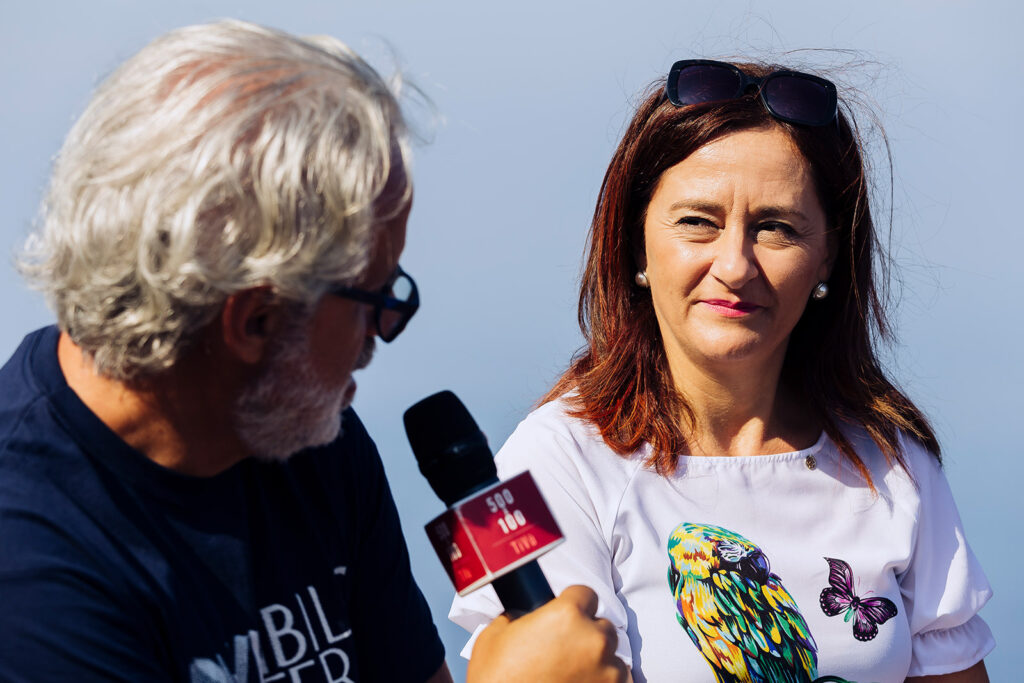
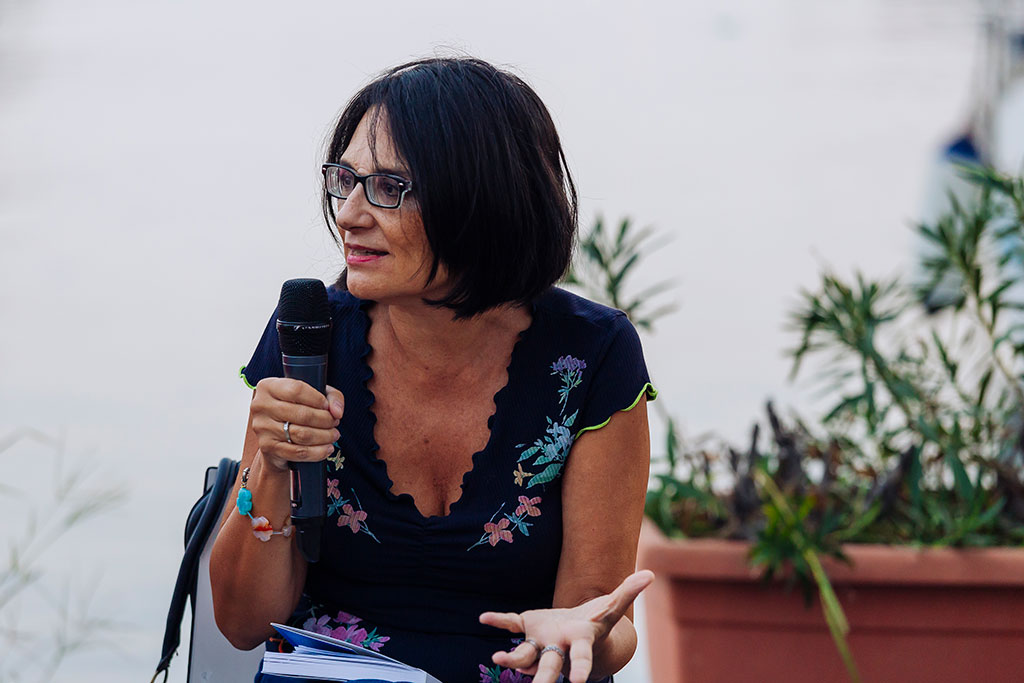
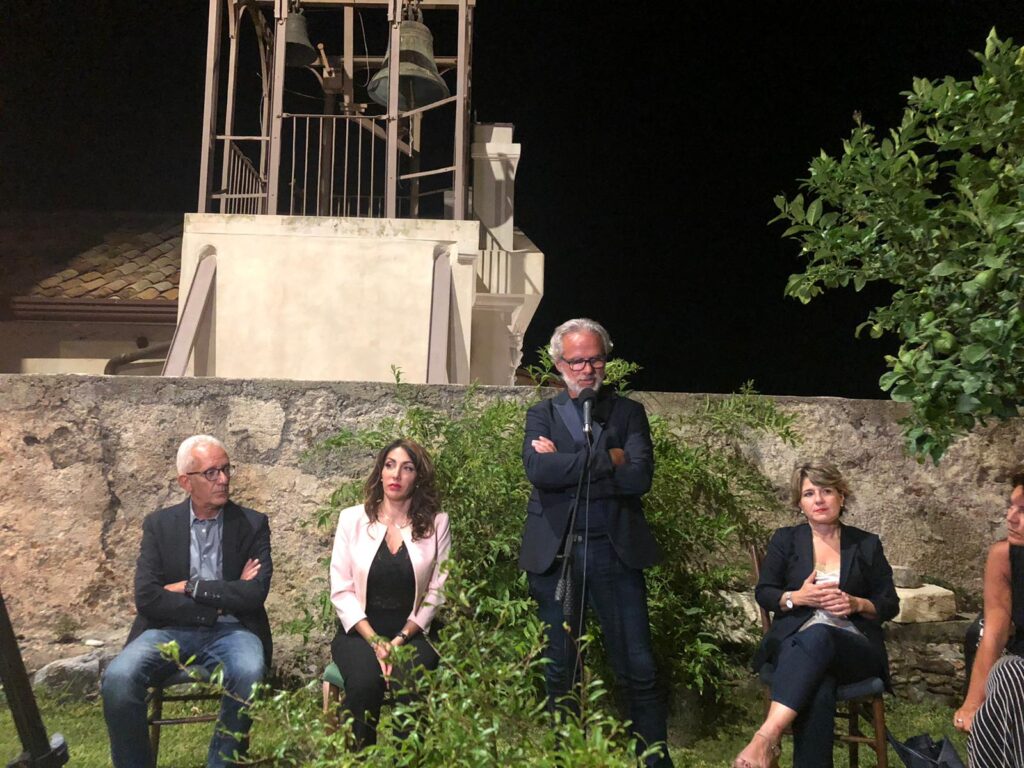
Laura Pavia con Alfonso Femia in Mediterranei Invisibili – Viaggio nello Stretto III, talk del 19 settembre 2020. Fotografia di Stefano Anzini.


Ci sono, al Sud, regioni con sofferenze infrastrutturali acute e regioni che stanno un po’ meglio, grazie anche alla loro collocazione geografica ma, al di là dei casi specifici, costruire le connessioni fisiche necessarie, salvaguardando gli aspetti ambientali e paesaggistici, è fondamentale per lo sviluppo. Non attivarsi in tal senso esprime solo la volontà negativa di tenere il meridione sempre un passo indietro.
Dissesto idrogeologico, complessità morfologiche del territorio sono ostacoli superabili: l’Italia ha i migliori ingegneri e le migliori tecnologie, tanto che esporta questa cultura tecnica in tutto il mondo dai primi anni del secolo scorso e ha contribuito a costruire ponti, dighe e strade nelle situazioni geografiche più improbabili.
Ora avremmo a disposizione anche i soldi del Recovery Fund.
Eppure, si continua a procrastinare, prima di tutto sul tema del Ponte. Il Governo, nella figura dell’attuale Ministro per il Sud e per la coesione territoriale, Giuseppe Provenzano, si è espresso chiaramente “Il ponte non è finanziabile e i tempi sono incompatibili con quelli del Recovery Fund”.
Provenzano sostiene che le priorità siano altre, per esempio l’Alta Velocità per la Calabria e la Sicilia, che potrebbero garantire una mobilità quotidiana dignitosa ai cittadini. 
Ma stiamo parlando di tre chilometri di ponte: non costruirlo, nel 2020, significa tenere il Sud un passo indietro.
E l’Italia ferma.


Il Ponte non serve (solo) a collegare la Sicilia con l’Italia. Bisogna allargare lo sguardo: per esempio, chi continua ad avvantaggiarsi delle lacune infrastrutturali del nostro meridione è il porto di Rotterdam. Va detto che c’è anche un triste aspetto campanilistico nazionale, Genova e Trieste non vogliono perdere primati e potere economico sulla piazza europea. Abbiamo la possibilità di riattribuire alla Sicilia (e all’Italia) il ruolo di vera frontiera del Mediterraneo, considerando anche la stretta correlazione con il Canale di Sicilia (che gli inglesi chiamano sbrigativamente Stretto di Sicilia) tra Italia e nord-Africa, sensibilissima zona su diversi fronti: militare, commerciale ed economico per le connessioni energetiche e digitali.
Continuare a leggere il valore del Ponte sullo Stretto di Messina esclusivamente come passaggio tra Calabria e Sicilia rivela una grave miopia geopolitica.
Il Mediterraneo della Sicilia non è neppure un tema solo europeo, ma internazionale, mai così importante come in questo momento storico: riprendendo un’affermazione dell’ammiraglio Mario Rino Me, in un articolo di Limes, Africa e medio-Oriente, i commerci cinesi e le manovre russe “materializzano nel Mare Nostrum una competizione fra imperi simile al Great Game ottocentesco fra Mosca e Londra”.
Questo per chiarire che la domanda giusta da porsi non è se costruire il Ponte, ma come farlo nel tempo più veloce possibile.


Poi ci sono altre considerazioni, ad ambito più circoscritto, nazionale ed europeo: per esempio, l’alta velocità finisce praticamente a Roma (Napoli); c’è un tratto della linea adriatica ferroviaria, tra Termoli e Lesina, che è ancora a binario unico, dai tempi di Vittorio Emanuele II.
Da Bari a Reggio Calabria il tempo medio di percorrenza in treno è di quasi 10 ore, per coprire 350 chilometri.
Ecco, dunque, perché il Sud come luogo di investimento è logisticamente poco appetibile ed economicamente insostenibile.
Di nuovo il problema non è (solo) meridionale, ma dell’Italia tutto che si propone smezzata agli investitori internazionali con una potenzialità inattiva e impedente dello sviluppo nazionale.
Un’Italia a due velocità non può più funzionare nel 2020, … se mai ha funzionato.
La Puglia è l’esempio di quello che il Sud può fare e dare all’Italia; si è completamente rinnovata attraverso una politica generativa, affrancandosi dagli stereotipi secolari, mettendo a punto programmi che si proiettano di vent’anni avanti (il qui e ora non ha senso), attivando la straordinaria risorsa delle nuove generazioni e puntando sulla dimensione reale del territorio: la cultura, l’agricoltura e il turismo.
Un’operazione diversa nei contenuti, ma simile nei processi, è stata quella che ha visto Matera protagonista nel 2019 come Capitale Europea della Cultura: la città della vergogna dei Sassi è tornata a credere in se stessa e nel valore millenario della sua identità.

Sul tema degli stereotipi … il Sud è mafia e malavita. Di recente Emiliano Morreale ha pubblicato una storia a fumetti dal titolo “La mafia immaginaria. Settant’anni di Cosa Nostra al cinema”, in cui racconta come la mafia siciliana sia stata protagonista “di decine di film e di fiction televisive, con un corredo riconoscibile e stereotipato di personaggi, situazioni, immagini: un codice che si è sovrapposto agli eventi storici, li ha modellati e ne ha influenzato la percezione”. Si tratta di un modello negativo non solo sul piano culturale, ma soprattutto su quello dell’economia reale. Qual è il tuo pensiero a riguardo?
C’è la storia. E poi c’è un tema di attualità in cui risulta molto facile colpevolizzare il Sud, assegnandogli l’etichetta di “mafia”, come se, anche oggi, la responsabilità fosse solo nostra.
Mafia e ‘ndrangheta colonizzano anche i territori lombardi o veneti o piemontesi, e riescono a farlo perché trovano terreno fertile, cioè soggetti importanti per capacità economica, disposti ad accogliere dinamiche illegali e a integrarle nei processi di sviluppo, talvolta apparentemente virtuosi.
Il pregiudizio è radicato e sembra ancora molto lungo il cammino da compiere per estirparlo.
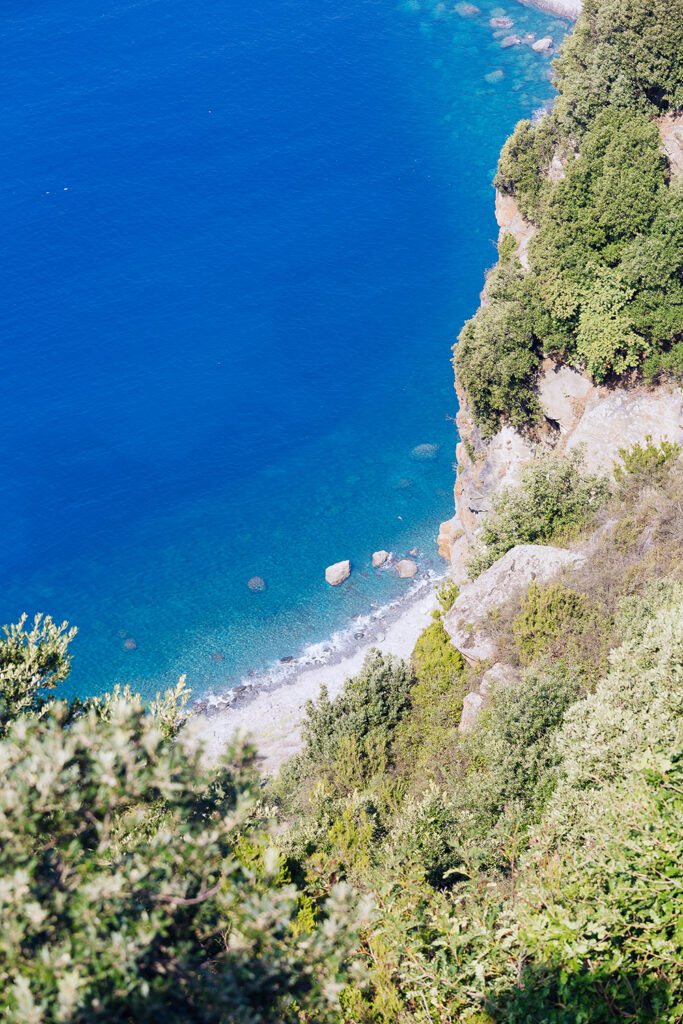
Fotografia di Stefano Anzini.


Cosa può accelerare lo sviluppo del Sud e offrire un punto di partenza aggiornato e più forte come piattaforma di rilancio globale? Intendo nell’attesa che si costruiscano ponti e strade e si attivino le politiche generative di cui abbiamo parlato?
Un tema importante e che mi è particolarmente caro è quello dell’università.
Penso che molte città del Sud potrebbero trasformarsi in città universitarie, creando uno straordinario indotto, composto dai ricercatori e dai fuori sede italiani e internazionali (Covid a parte). La città di Taranto, per esempio, nel suo centro storico ospita ben tre sedi universitarie, oltre le altre sei dislocate nella città nuova. Se Taranto, gravata da problemi enormi legati alla sua zona industriale, riuscisse ad implementare i servizi ad esse connessi, seguendo l’esempio di città come Urbino o Trento, potrebbe contribuire all’importante processo di rinnovamento e di rigenerazione urbana che in questo momento sta interessando non solo il centro storico, ma anche l’intera città.
Investimenti mirati in comunicazione, un minimo potenziamento e razionalizzazione dei voli aerei, potrebbero realmente rendere attraente e culturalmente prestigioso studiare dove c’è tanta storia e tanta cultura, tanta architettura, tanta arte e tanto paesaggio.
Il problema storico delle università del Sud è quello dei finanziamenti. Ricevono una minor quota di finanziamenti e questa “sete perenne” di denaro frena gli investimenti sulla ricerca. Non si possono importare ricercatori perché non ci sono le condizioni economiche al contorno, ma continua l’emorragia delle intelligenze locali che preferiscono spostarsi al nord o all’estero.
E al Sud, spesso, mancano gli investimenti privati che potrebbero compensare le lacune pubbliche, semplicemente perché non c’è industria.
Il Sud non ha mai avuto una vocazione industriale, qualsiasi tentativo fatto, in passato, è stato una forzatura, un calare dall’alto decisioni calibrate non sui bisogni reali, ma su necessità immaginate da parte degli amministratori, spesso non da quelli locali, ma dal Governo centrale.

Da dove partire, allora, per ribaltare lo scenario meridionale?
È la narrazione che genera prima la visione e poi il progetto. Occorre partire dal racconto di luoghi, paesaggi, persone, esattamente come fa Mediterranei Invisibili e come fa l’Università della Basilicata con il progetto Rigenerare a Sud/Rigenerare il Sud.
Spesso quando indaghiamo nei territori del Sud, nei paesi e nelle piccole città, nei borghi, ci sentiamo chiedere “perché siete qui, se qui non c’è nulla?”.
È una condizione ricorrente nel Sud e in tutti i Sud del mondo l’incapacità di vedere architettura, ambiente e paesaggi a casa propria.

La pandemia è stata l’occasione per organizzare un ciclo di seminari online, nati da un’idea mia e di Ina Macaione, per il Laboratorio di Fenomenologia dell’Architettura di Matera. Abbiamo avvertito l’esigenza di dare voce a tante esperienze importanti di rigenerazione urbana in atto nel Sud, portate avanti da persone del Sud, che però ci apparivano isolate e distanti fra loro. Nella consapevolezza che non parlare di qualcosa equivale a ignorarla e a condannarla all’oblio, in più di quarantacinque seminari abbiamo dialogato con docenti, ricercatori, studenti, professionisti, amministratori, associazioni e liberi cittadini. Da questo lungo e anche faticoso racconto, è emersa tutta la ricchezza e la vitalità di un Sud che è attivo, si impegna sul campo e vuole costruire una rete di relazioni, conoscenze, abilità ed esperienze che sono strettamente legate alle peculiarità dei territori del Sud. Rigenerare a Sud/Rigenerare il Sud indica con chiarezza una strategia d’azione: senza il coinvolgimento e la partecipazione diretta dei cittadini che vivono nel Meridione non è possibile avviare percorsi di rigenerazione del territorio urbano. Soprattutto, non è possibile quel racconto che cambia lo sguardo su se stessi e sull’intorno e che genera l’amore verso i territori e il desiderio di restare o tornare al Sud.

Le esperienze raccontate in questo ciclo di seminari saranno a breve pubblicate in un Atlante della rigenerazione urbana a Sud, un’opera aperta, uno sguardo attivo sul Meridione che speriamo sia solo l’inizio di lungo percorso di condivisione e collaborazione con tutti i rigeneratori del Sud.

Per trovare il progetto Rigenerare a Sud/Rigenerare il Sud nei Social:
instagram: rigenerareasud_rigenerareilsud
facebook: Rigenerare a Sud / Rigenerare il Sud
youtube: Nature City Lab

La foto in apertura è di Stefano Anzini.

journal-messina-mallamo-header.jpg

WHAT IS BEAUTY FOR THE STRAIT OF MESSINA, WELL EXPLAINED BY ANNA MALLAMO

Messina is a painful city. So painful that it is hard to perceive its beauty. In Reggio, the new promenade with Tresoldi’s work, a sign of urban growth and hope, is confronted with rubbish abandoned at the corners of the streets.

With Anna Mallamo, journalist for Gazzetta del Sud, we discuss one-sided visions that corner the Strait, but also a future made possible by its Beauty.

The Fondazione Italia Patria della Bellezza launched a call titled “Comunicare Bellezza”, a support program for cultural and territorial projects throughout Italy – a way of putting into practice a value that has historically been appreciated through its artistic, environmental, and cultural expressions, yet which does not traditionally belong to the sphere of primary individual and social needs.

Around the word “beauty”, a language dense with prefabricated layers and meanings is often used.

Beauty lies in tourism, in history, in landscape, in design, in science and technology, in manufacturing and food. In books, poetry, and photography. In men, women, boys and girls, animals, and plants.

Almost always, it is beauty as an adjective – a visual or intellectual attribute assigned to a defined subject.

Anna Mallamo during the talk in Messina, Invisible Mediterranean(s) 2021, Journey across the Strait IV. Photo by Stefano Anzini.

Anna Mallamo, journalist for Gazzetta del Sud, Reggio-born, Messina by adoption, and a citizen of the Strait by passion, believes that beauty is as necessary as food, water, and air – essentially as necessary as the things that keep us alive. Anna argues this starting from the effects produced by its opposite: desolation, decay, and abandonment.

She says, “Landscape is a determinant of the soul”, and it almost seems an inevitable statement when speaking about the lands of Scylla and Charybdis. “I find myself fighting every day against the oblivion that pervades those who live in the Strait and causes a progressive and selective blindness: decay prevails, people avert their gaze from the landscape, and thus they lose their soul.

And from that moment on, you are only able to see and describe what is ugly, and within that narrative there is a kind of complacency in pain and tragedy that leads to inaction.

The perspective closes in: the Strait becomes a territory either to abandon or simply to endure.”

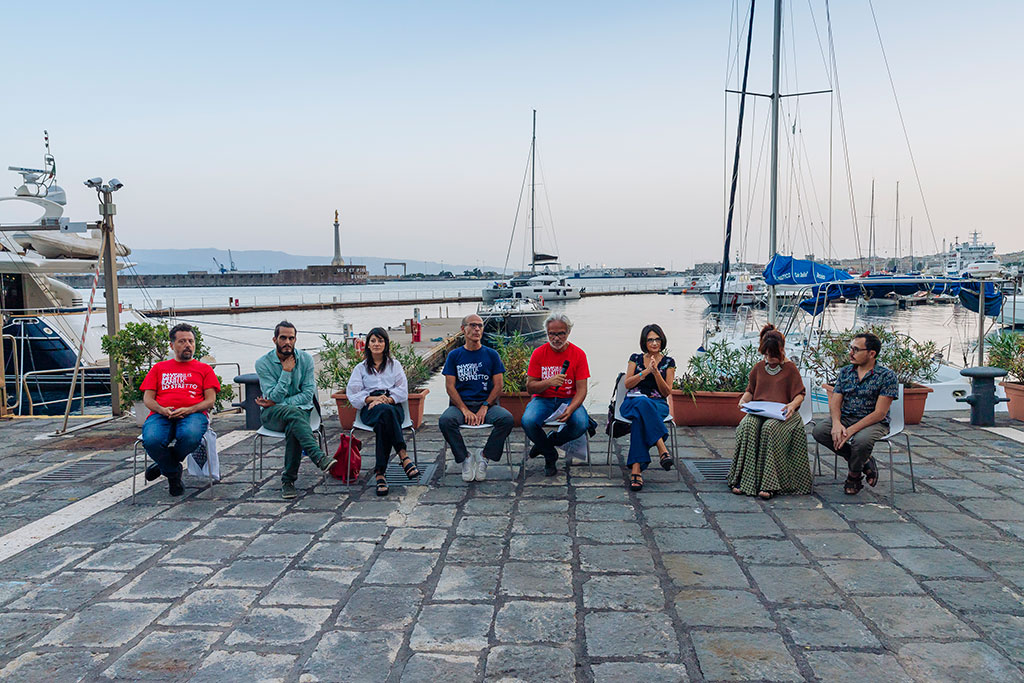
Anna Mallamo with Alfonso Femia and other participants during the talk session in Messina, Invisible Mediterranean(s) 2021, Journey across the Strait IV. Photo by Stefano Anzini.

Future and the Strait: how can a connection be created between time and place, a connection that seems to be missing?

The only apparent solution seems to be the bridge that people have dreamed about since the mid-twentieth century, never built – and this alone has become a good reason for complaint. In recent decades, the bridge itself has become “the meaning”, in a desperate search for a collective signifier, the only possible form of redemption.

It is clear that many other forms of emancipation exist: the seafront promenade of Reggio Calabria, with Tresoldi’s installation, is one example, because the people of Reggio – not only tourists – appreciate it and make it part of their lives, supporting local businesses and generating wealth and employment. Even so, just around the corner there are piles of uncollected rubbish, and when you turn your back to the sea, the curtain of buildings you see becomes a fabric of unravelled signs with which you must contend every day.

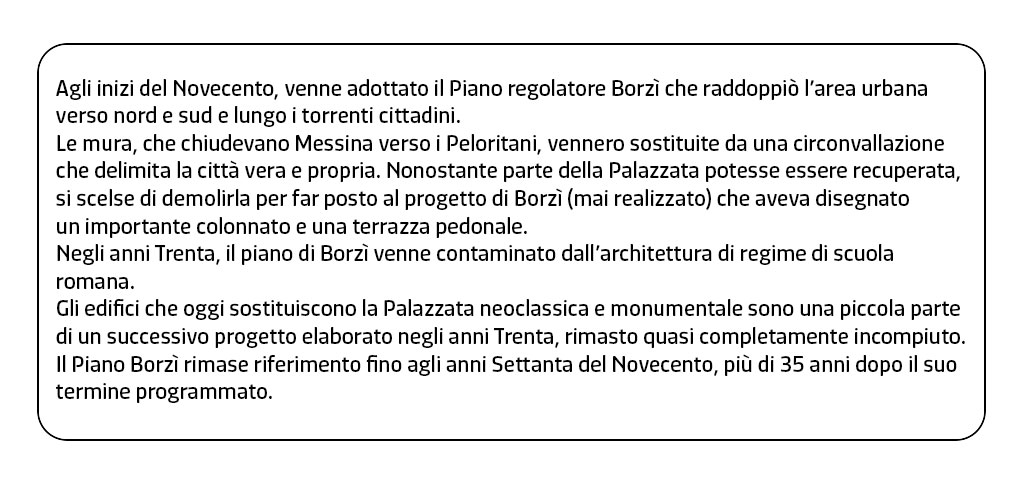
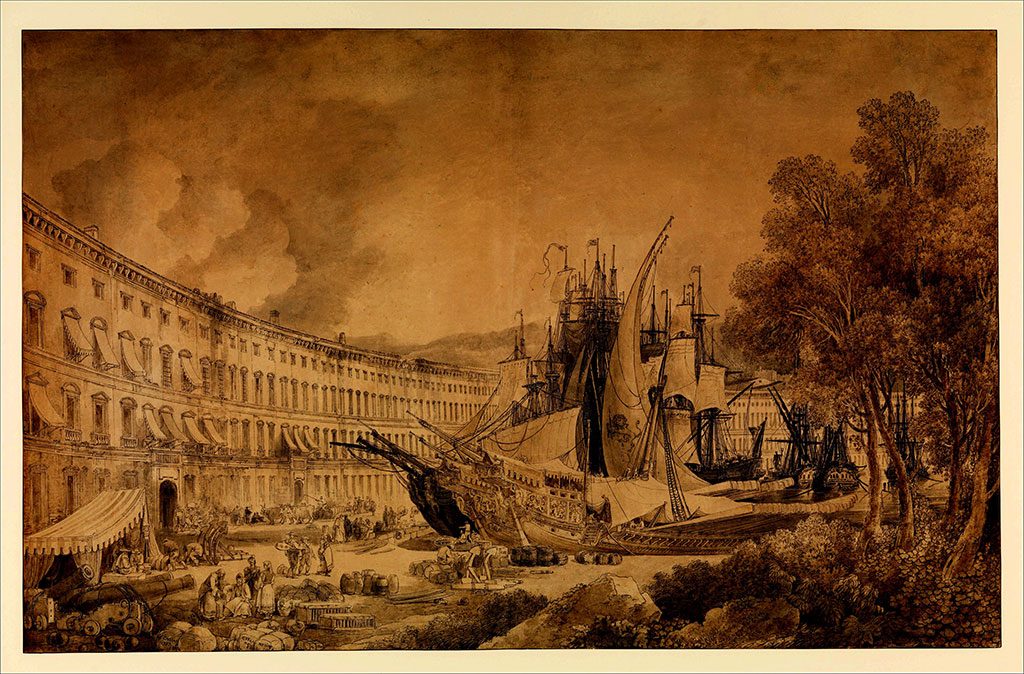
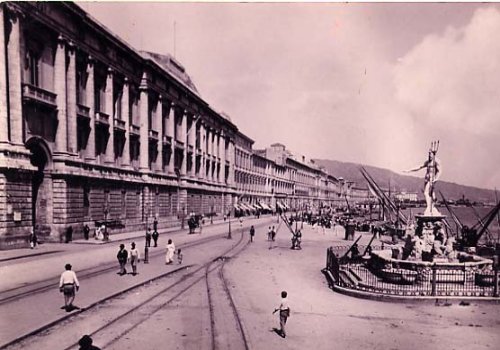
In the past, Messina was a great city. At the time of the 1908 earthquake, it was the third largest port in the Mediterranean.  I do not intend here to provide a condensed history, but, for example, before 1908, there was a 9-kilometre-long seafront known as the Palazzata – a continuous sequence of buildings constructed at the beginning of the nineteenth century, better known as the Teatro Marino, which housed a range of functions: residences, silos, and warehouses.

An avant-garde architectural vision, which replaced an earlier Palazzata of much older origin, damaged by the 1783 earthquake.

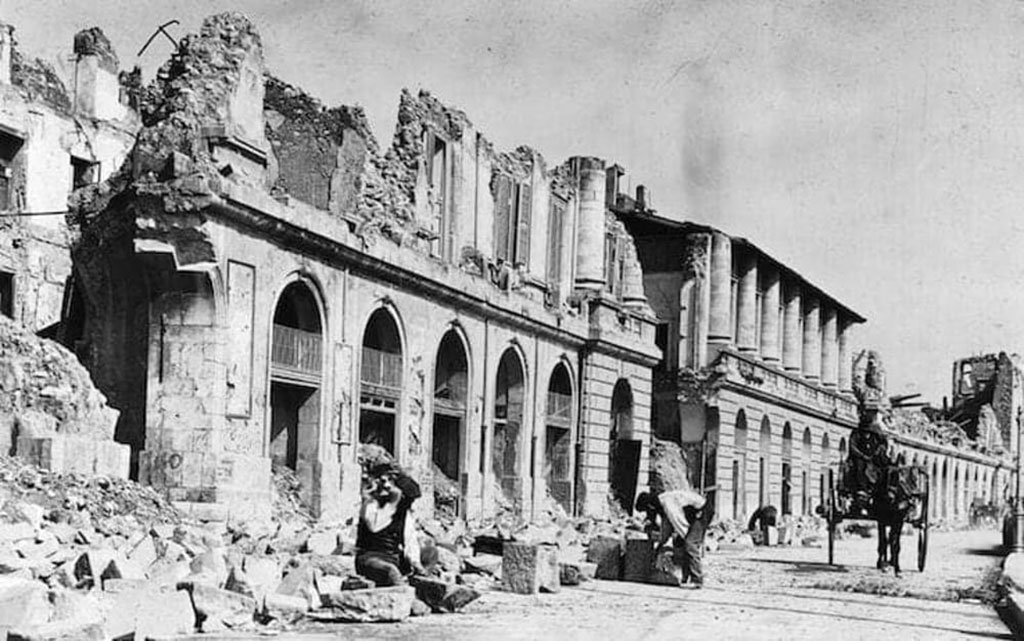
At the end of the 18th century, it was decided to rebuild the Palazzata and, more broadly, the entire city preserving its previous layout and appearance. However, after 1908, different choices were made.

The Palazzata by Simone Gullì before the earthquake of 1783, painting by Louis François Cassas ( wikipedia).

Palazzata and Neptune’s statue before the earthquake of 1908.

Palazzata after the earthquake in 1908. (wikipedia).

Palazzata of Messina, project by Giuseppe Samonà (wikipedia).

It is a decades-long, almost century-long lack of vision on the part of Messina’s administration. Twenty years ago, for instance, the tram line was built alone the seafront, despite the existence of a less invasive route that had already been identified. It was a short-sighted decision, especially considering that in recent decades coastal cities have worked to remove barriers between the city and the sea. Reggio and its promenade, geographically close, are a clear example of this. The tram on the seafront has further diminished an already struggling Messina

Messina’s past is its landscape: hills flattened, hills rebuilt.

The people of Messina move between the memory of the past and what the gaze itself generates – two forms of memory that produce a permanent sense of uprooting.

Before 1908, there was a saying in Messina used to describe a highly negative situation: “to do more damage than 5 February” (the day of the 1783 earthquake). This is not only a reference to popular culture; it almost represents an anthropological evidence of how the “damage” suffered offered the people of Messina a pretext not to fight back, an alibi not to react, turning inaction into a way of life. With the second earthquake, even more so, identity was lost in the collapse, and there is no desire to recover it.

What has been built – the geometry, the heights, the materials of the buildings – acts on people’s perceptual sensitivity, generating daily feelings of either positivity or discomfort. One is subjected to, and gradually becomes accustomed to, the most disturbing elements, to visual dissonances, and to the lack of connections between the fragments of the city, the greenery, and the sea.

This happened in Messina.

How does it work for those who stay?

“Restanza” – a word effective both in sound and meaning – is a complicated and risky choice.

Vittorio Teti – an anthropologist – speaks of the “adventure of staying” (in the South, editor’s note): “the effort, the harshness, the beauty, the ethics of ‘restanza’ are no less decisive and foundational than the adventure of traveling. The two adventures are complementary and must be understood and narrated together.”

The risk is one of habituation and diminishing vision, eventually leading to complete blindness.

Creating a cultural condition that compels “the people of the Strait” to look at the Strait – to know it and to recognize it – means designing a radical cultural intervention, one that activates a continuous rather than episodic process of revitalization, ultimately capable of bringing about lasting change.

The abiility to perceive the beauty of the Strait, of Messina, and of Reggio must be constantly encouraged, for it has long been stifled not only by its opposite – the accumulated ugliness of the landscape – but even more so by inaction.

The makers of beauty – writers, artists, architects – seek to jolt their fellow citizens into readjusting their gaze, revealing the immaterial to those who observe from afar, captivated by legends yet fearful of disappointment.

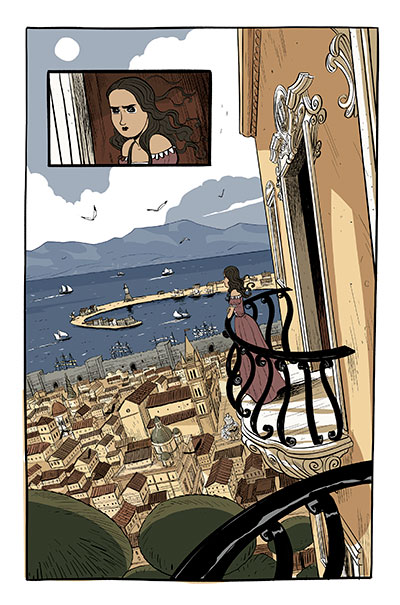
This is what Nadia Terranova has done in her novel Farewell, Ghosts and in the graphic novelCaravaggio e la ragazza (created with Lelio Bonaccorso), featuring beautiful illustrations of Messina.

Isabella on the balcony (from the graphic novel Caravaggio e la ragazza by Nadia Terranova and Lelio Bonaccorso. Illustration by Lelio Bonaccorso)

Retruning to the starting point of this reflection and to the question – how it works for those who stay – the need for beauty must find a synthesis with the economy.

Architecture is,  potentially, one of the elements of balance and reconciliation: it introduces new layers and integrates the functions of everyday life into urban contexts of good formal quality, in a continuous dialogue with the built heritage of the past and with the natural environment.

From a naturalistic perspective, the Strait is a goldmine to be monetized, ideally not (only) through a “milk-the-tourism” approach, assigning a handful of square meters of coastline to sun-and sea-hungry tourists, in a B-movie-style model.

This is not what the people of the Strait need. There are alternative approaches that can be developed for a form of tourism in which the beach is a pause, not the goal: for example, territorial itineraries, routes tracing the residencies of artists, nature excursions, and so on.

This hidden beauty, which already exists, has become invisible because it has been diminished by other choices that the Strait – Messina, but also Reggio – has inflicted upon itself.

What emerges is illegal building activity and a monstrous ugliness. Even everyday living has taken on a diminished, impoverished dimension. Pervasive speculation has generated a sense of possession without beauty.

Fortunately, there are many projects underway …

Some things have been done, but many others have been left unfinished or interrupted. There are still miles of coastline to be restored. What is lacking is a political and economic vision. When a local administration is focused on defending itself, it does not invest in major works, but in reassuring the electorate in the short term.

Work is lacking; work is a priority.

It must be so.

But “work” is not an isolated category. It is the design and planning across different sectors that generates work. The people of the Strait have a short-sighted obsession with the “bridge” as a generator of employment for years to come, even before considering it as a means of connection.

Without taking into account that today, within a framework of ecological transition, this would perhaps be a choice that depletes the territories.

The construction of the bridge would increase both heavy and light vehicle traffic, a vision anchored in the past, whereas the guidelines of the European Green Deal require a reduction in road transport.

There is a lack of cultural elaboration around any vision of the future, which as a consequence fades further and further, because the conditions for a serene “staying” no longer exist. Younger generations are not given the conditions to love their places.

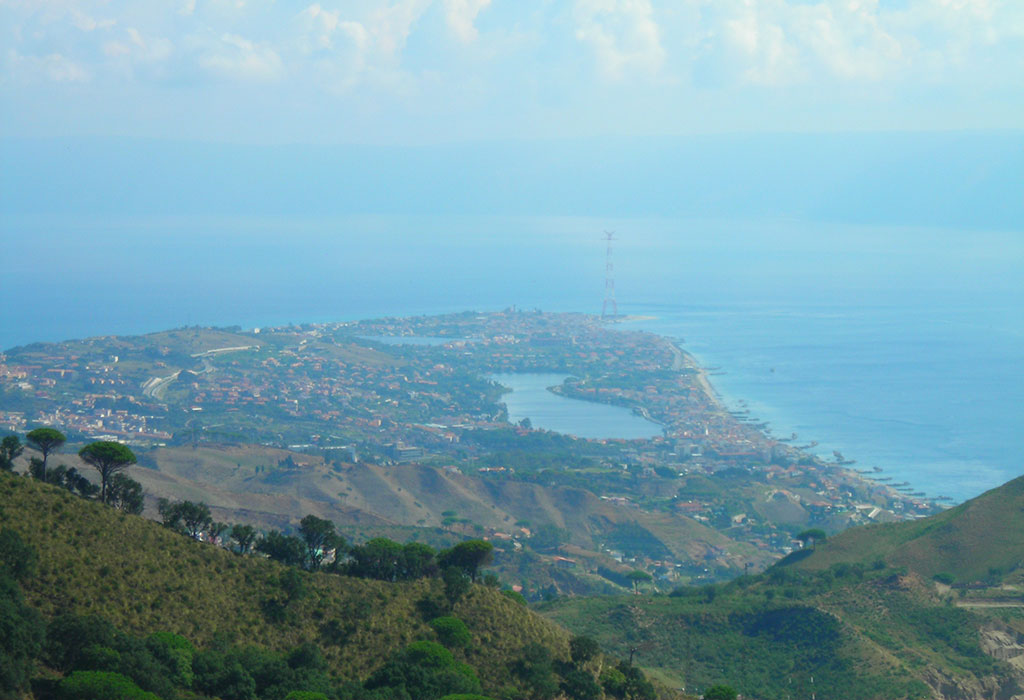
The waters of Lake Ganzirri, a few kilometers from the centre of Messina, are connected to the adjacent sea by means of canals, some of which date back to the 1830s, as well as to Lake Faro further north.(source: archeome.it)

What do you think about the issue of conurbation between Reggio and Messina? Are there risks of forcing the concept?

The people of the Strait share the ecological and landscape system of the Strait, but from different perspectives. From Messina, for example, we see Villa San Giovanni, not Reggio.

Sicily is an island, while Reggio lies on a peninsula. The approaches are different, but this heterogeneity is a value to be preserved.

The Strait’s ecosystem is an incredible heritage to observe, understand, and preserve.

It is important not to lose sight of the goal and to formulate good projects for a neglected territory.

To attract capital, we have so much culture, memory, and beauty – and this is what matters.

Much of the beauty of the Strait lies more in its villages than in its cities. To what extent is a “village system” imaginable?

A project based on a relationship between villages and cities, developed through physical and digital infrastructure and through securing areas from water-related risks, has great potential. From an economic perspective, it demonstrates that the beauty of the territory can generate stable wealth, independent of tourism seasonality.

More marginal cities, such as Messina, can offer much to a possible village – city pairing, not as an alternative choice – villages or cities – but as a system of relationships the operates at different scales of distance and time.

realtà culturali che amplificano le specificità del territorio in modo attivo e concreto e rappresentano il bello che avanza.

It is essential to start from cultural realities that actively and concretely amplify the specificities of the territory and represent the advancing notion of beauty.

Anna Mallamo, a “strettese” (from Reggio Calabria, she has lived in Messina for many years), works as a journalist at Gazzetta del Sud, where she heads the Culture and Entertainment section. She hosted a regular column for several years in L’Unità and runs a blog on the Huffington Post. She is very active on social media, with the account @manginobrioches.

MED-INV-JOURNAL-VIAGGIO-3-FERRARA

THE BRIDGE ACROSS THE STRAIT AND THE RECOVERY FUND, ANGELA MERKEL’S PRAISE FOR ITALY AND INVISIBLE MEDITERRANEAN(S): THE CONNECTION EXISTS AND IT IS VISIBLE

Invisible Mediterranean(s) is a permanent project; it does not end with the duration of the Journey. It seeks connections and pathways, nourished by the continuous relationship of interest that the South generates in Italy and across Europe.

Today’s Il Sole 24 Ore published an article about a Mastercard study on  tourism trends in G20 countries.
At the opening of the article, journalist Gianni Rusconi referred to a statement by Angela Merkel who, during a video conference with the ministers-president of the German Länder, described Italy as a country that is not at risk and where it its reasonable to travel. Whether the “Merkel effect” will generate a flow of German tourists – provided coexistence with the virus allows it – remains to be seen.

The Mastercard report highlights a rapidly consolidating trend: “…the way people travel has gradually adapted to the new scenario. Spending on fuel, restaurants, or car and bicycle rentals reflects a growing inclination toward ‘on the road’ and local travel, rediscovering national landscape territories.”

“Invisible Mediterranean(s) – Journey Across the Strait” investigates places and tells unexpected stories with the aim of bringing an end to the sort of cultural oblivion surrounding the lands around the meeting point of the two seas, the Ionian and the Tyrrhenian.
It is a project born from a cultural initiative and private economic commitment, supported by several companies, bringing together research on territories, the enhancement of communities, and a courageous awareness of the difficulties resulting from decades of inadequate policies deaf to real needs.

Mastercard’s research has highlighted what Invisible Mediterranean(s) has been telling for the past three years.

The first two journeys were educational explorations in search of the invisible, within landscape and architecture, but also through the stories of the women and men of the Strait: in 2018 through Reggio Calabria, the Grecanic area with Amendolea and Gallicianò, Filanda Cogliandro, and the Costa Viola; in 2019 through Rosarno in Calabria, Scilla, Gerace, and Messina, in Sicily. A narrative built through dialogue, gathering testimonies and fostering discussion, bringing together the visions of authentically Mediterranean people – different in background, age, and role – who share, even through contradiction, the identity of their territory.
The third journey, in this difficult and painful 2020 (from September 17 to 20), marked a turning point.

Journey Across the Strait 2020. Photo by Stefano Anzini

Many things have changed since previous years.
During the summer, the whole of Southern Italy experienced a revival in tourism. After months of mandatory quarantine to contain the spread of the coronavirus and restrinctions on travel to foreign countries, Calabria and Sicily ranked among the five most visited regions in Italy. This was stated by CNA Turismo together with Eurispes. Visitor numbers far exceeded expectations.

The pandemic generated a flow of interest toward the South, and the South revealed the most exposed part of its territory, arousing attention and curiosity even toward its “invisible” aspects.

The protagonists of the third edition of Invisible Mediterranean(s), even more motivated to express–according to their own sensibilities and without conforming to standardized language–the “invisibility” of their places, celebrated through the journey itself and through debates both the territories–in Sicily, the system of the Ionian valleys of the Peloritani Mountains between Capo Scaletta and Capo Sant’Alesso, and in Calabria, from the Tonnara di Palmi to Gioia Tauro–as well as the strong desire for integration within the European context.

Courageous in denouncing the difficulties – from the lack of infrastructure, to the managerial inconsistencies of urban centers, to the territorial-scale dissonances of the Port of Port of Gioia Tauro, and even the unresolved and painful issue of the ‘Ndrangheta, which undermines strategic planning–many mayors took part in the Invisible Mediterranean(s) talks: Piero Briguglio, mayor of Nizza di Sicilia, Nancy Todaro, deputy mayor of Alì Terme, Natale Rao, mayor of Alì, Giovanni De Luca, mayor of Fiumedinisi, Natia Lucia Basile, councillor for culture of Roccalumera, Rosanna Garufi, councillor for culture of Furci Siculo, Sebastiano Gugliotta, mayor of Pagliara, Giuseppe Briguglio, mayor of Mandanici; Armando Neri, deputy mayor of Reggio Calabria, Giuseppe Ranuccio and Wladimiro Maisano, mayor and councillor of the municipality of Palmi, Aldo Alessio, mayor of Gioia Tauro, Giuseppe Idà, mayor of Rosarno, Andrea Tripodi, mayor of San Ferdinando.

Also in agreement in affirming that the post-pandemic “renaissance” could recalibrate the map of the map of the Strait by relaunching economic investment through culture, tourism, and agriculture, were the presidents of the territorial Orders of Architects: Salvatore Vermiglio for Reggio Calabria and Francesco Miceli for Palermo; together with the “ambassadors” of Invisible Mediterranean(s)–architects active in the territory and holding academic positions at the Universities of Reggio Calabria, Ferrara, and University of Naples Federico II. For Sicily: Gaetano Scarcella and Francesco Messina; for Calabria: Salvatore Greco, Giovanni Multari, Michelangelo Pugliese, and Giovanni Aurino.

In particular, the transit area between Calabria and Sicily, shaped by geography and infrastructural limitations, is dense with uncertainties about the directions to be taken – torn between the desire for expansion and the will to protect an extraordinary heritage. This protection is not about restricting widespread knowledge, which is in fact desirable, but about resisting the vulgarization of low-cost, superficial dissemination.

The issue of the construction of the Bridge across the Strait is interwoven with and cuts across all the other reflections. Also today, an in-depth article in Gazzetta del Sud confirms the exclusion of the bridge project from those eligible for funding under the Recovery Fund, which allocates more than 190 billion euros to Southern Italy, to which are added 123 billion euros in European and national funds through 2030.
The journalist Lucio D’Amico analyses both the criteria for the exclusion and the positive employment effects (citing a study by the Bocconi University in Milan) that the construction of the bridge could have generated in the coming years. But above all, he emphasizes how the Bridge is “the infrastructure that more than any other would bring the South and the Strait area back to the center of national and international politics. And while opinions on the Bridge remain controversial, the issue of restoring the Strait to a central geographical and political position within Southern Europe is, instead, a significant opportunity for the whole country. Precisely the theme of the relationship between the Strait and Europe was the provocation of this third edition of Invisible Mediterranean(s).

We asked mayors, architects and Presidents of Professional Orders which paths should be taken to face the future of these extraordinary places, and to relaunch the country starting from the South, interpreting the Strait of Messina in a European key.
The answer was unanimous: it is possible.
The rigorous (and unsparing) analyses, the concreteness of the statements, and the proposed programmes all describe a territory ready to take off – provided that strategies and actions emerge from below, from communities, rather than being “placebo” measures adminstered by the central government.
Showing attention and listening to the demands expressed by local communities, using European funds and allocating dedicated resources, and aligning interventions with territorial vocations: these are the actions that can drive renewal.

One of the moments of discussion from the third edition of Invisible Mediterranean(s). Photo by Stefano Anzini

In multiple voices, there is a call for the need not to impose a pre-established vision –something that has happened in the past, for example in the mid-1970s, when, within the framework of the special project for the development of infrastructure in the province of Reggio Calabria (CIPE Resolution of 1974), the Port of Gioia Tauro was built. The scale and structural characteristics of the work were determined by its original functional purpose, serving the industrial settlements planned by the Government Authority, which envisaged the creation in Calabria of Italy’s Fifth Steel Centre. In the early 1980s, the construction program came to a halt due to the well-known crisis in the steel sector, which in reality had already begun in the previous decade. The port was therefore converted from an industrial port to a multipurpose one, requiring the redefinition of infrastructure programmes, operational structure, and development plans.
As stated by Giovanni Multari, architect and professor at the University of Naples Federico II: “Gioia Tauro is a geometric center, but also a generator of economic and political meanings. A place of missed strategies and lost opportunities. The Port of Gioia Tauro is a giant facing only the sea, turning its back on the land, because it generates little local impact, is self-sufficient in its function and organization, and is more inclined to look toward the Suez Canal or the Strait of Gibraltar than toward its own plain.”
However, as explained by Giuseppe Idà, mayor of Rosarno “it is also the third in Europe and the largest in Italy for transshipment, the transfer of cargo from one ship to another, usually through unloading and reloading in port; it takes place in hub ports where many shipping lines with different origins and destinations intersect. In the area surrounding the port, the flow of goods and culture intersects and integrates.”
Also, Salvatore Greco, architect and council member of the Order of the Architects of Reggio Calabria, brings the issue of the port back to the territorial scale. “The port is a ZES – a Special Economic Zone – which means that goods are produced and processed there, and trade takes place within the port itself. The lack of adequate rail infrastructure and railway terminals hinders the development of its potential economic spin-offs.”

Supporting the territory means fostering its cultural and tourist vocation.
Once again Salvatore Greco helps frame the issue: “(…) I believe that an extreme form of protection is preferable to misguided interventions or redevelopment solutions that turn villages into something resembling an Indian reservation. That would mean losing wealth, not gaining it, making room for a form of consumption that empties places out – a disposable, use-and-throw away approach to territories. We must encourage a gentle form of tourism, not one that is offensive and arrogant.
A landscape transformed into a postcard panorama becomes aligned with an undifferentiated multitude of postcard landscapes. The danger is that the richness of values may be reduced to a merely temporary purchasing power – and then be lost forever.”
Adds Michelangelo Pugliese, architect and professor at the University of Naples Federico II: “Calabria is a landscape that cannot be trivialized through opportunistic interpretations tied to places, villages, coastlines, or mountains. Beginning with the villages themselves, we are not speaking about idyllic situations, as the term might suggest regardless of context. Often these villages are not only abandoned places, but also devastated by mercilessly ugly construction. Violations that have been committed and, unfortunately, layered over time. The complexity of reinterpreting them also involves the issue of dwelling, which contemporary life has profoundly transformed.”
Not everything can take the traditional tourism paradigm as its model for development, either because there is no spontaneous vocation for it, or because places do not wish to transform themselves in that direction, – explains Gaetano Scarcella, architect on the “Sicilian side.” “For example, the Ring of Nisi is a circular network of paths connecting the four centers of a valley marked by subtle and previously unexplored landscapes, abandoned workshops, agricultural scenery, and scattered monuments. (…) If it makes sense for the revival of a territory to pass also – though not exclusively – through tourism, then it is necessary to find the right and respectful interpretative key, because these are still unexplored places.”

Inaccessibility and the lack of physical infrastructure remain the constant factor – a brake and an obstacle to any hypothesis of development.
Salvatore Vermiglio, president of the Order of the Architects of Reggio Calabria, takes a particularly strong position regarding the Bridge across the Strait of Messina: “A coordinated and parallel project involving both the bridge and the related infrastructure would mean transforming Sicily and Calabria into Europe. Stepping back from the commitment to build the bridge, on the other hand, means remaining still, anchored to that prefabricated vision of Southern Italy, denying its European and global potential. To deny the bridge means to remain invisible. The invisibility of the territory is not a protection of its beauty, but rather damage to its enhancement and dissemination. An effective parallel, in all its harshness and discomfort, is the contrast between expansion and contraction. The risk of contraction is extremely high and, in a global context that tends toward expansion and integration, the danger of permanent exclusion from development processes increases.”

The political attention currently focused on Southern Italy thanks to the Recovery Fund cannot ignore the actual needs of the territory. As Francesco Messina, professor at the University of Ferrara, stated: “There is a total lack of attention from central government toward real needs, and even local politics struggles to understand the priorities.”

Francesco Miceli, president of the Order of Architects of Palermo, broadens the perspective: “Accessibility to the enjoyment of heritage, as well as public spaces, concerns the issue of citizens’ rights. Providing infrastructure to a territory means enabling every individual citizen to access it.
The lack of accessibility represents a denied right to historical and cultural heritage”.

The protection and enhancement of the territories along the Strait cannot be resolved through infrastructure alone: smaller towns and peripheral areas, suspended between a distinct identity and degradation, must become part of a broader project aimed at safeguarding their identity. Explains Miceli: “The connection with the most authentic territory is difficult to preserve for smaller towns: the relationship between urbanity and rurality becomes increasingly complex, to the point of tearing apart and becoming distorted – Palermo is a paradigmatic example of this. The interweaving of agricultural fragments within the outskirts of the consolidated city can become a major resource: these too are invisible places, though invisible in a different way from the hidden invisibility of villages. They are invisibile because people do not wish to look at them, yet they are strategic for rethinking the city – certainly not to transform them into new building developments, but to construct an identity of connection and enhancement. In order not to deny natural sustainability, the intelligence of the place, and to exalt its resilience.”

To the concept of a natural limit impoed by geography is added that of a self-imposed limit, as explained by Messina “Limitation is the truly serious problem of our territorie: the Strait of Messina has a geographical and political specificity, a point of tension between the Italian mainland and the island, a great water square where the distance between the two shores is ‘dialectically’ variable. Invisibility is a limit tied to the difficulty of physical connections between places, a condition that feeds and perpetuates itself through the restraint imposed by a culture of conservation which, through a cognitive distortion, becomes intertwined with certain environmental policies.
Thus, a geographical limit is transformed into a major political limit that discourages development projects and fosters the abandonment of territories surrounded by ever-higher mental walls”.

Territories along the Strait must  – by right – find their place within European geography. To achieve this, suggests Giovanni Multari “Before thinking about new projects, we should first conduct a survey of what already exists – abandoned places and unfinished construction sites. We should involve a network of local enterprises, freeing ourselves from a system governed by a politics of favors that has damaged all of Italy, and Southern Italy in particular.”

The project Invisible Mediterranean(s) was initially conceived with the aim of revealing little-known places – scarcely photographed or narrated. It sought to satisfy a desire for knowledge about a unique part of Italy. Over the course of three years, the project grew and evolved, feeding itself through a deeper understanding of the situations and territories involved, and setting increasingly ambitious goals – foremost among them, transforming the Strait area into a new center of energy for the entire Old Continent.

The opening photo is by Mario Ferrara.