


LOCATION
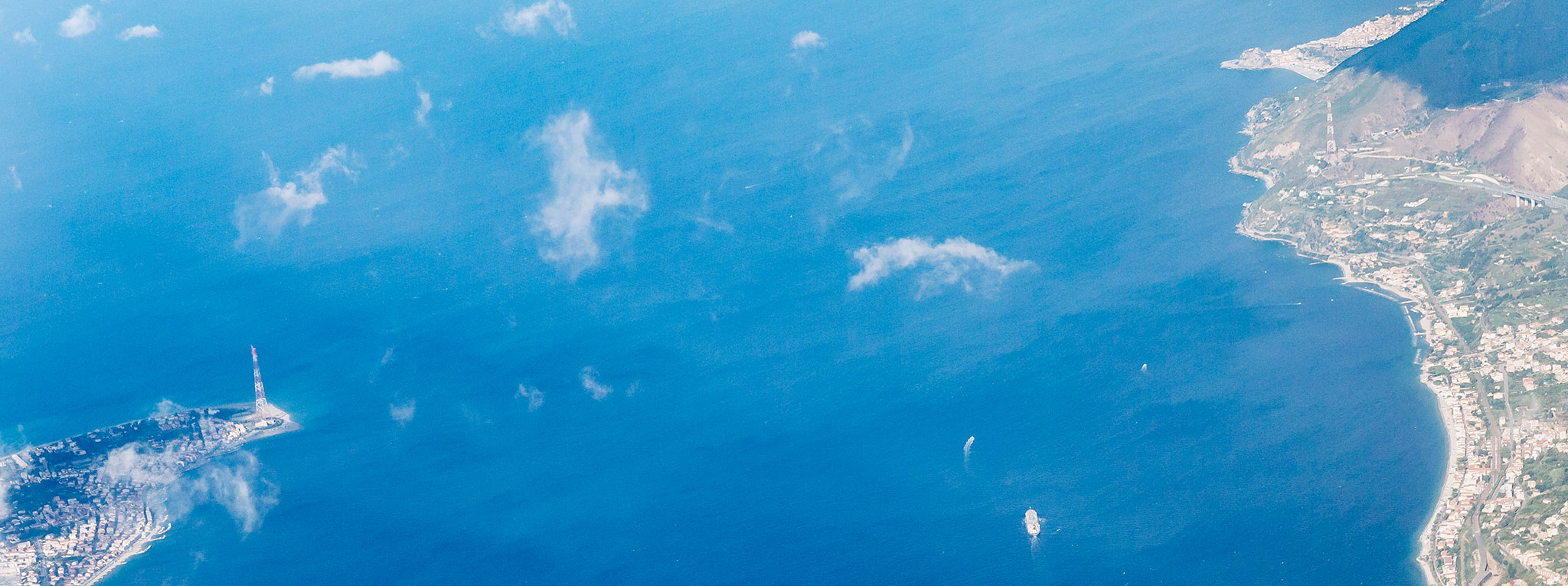

WHERE THE BIENNALE DELLO STRETTO TOOK PLACE
The 10,000 square meters of the exhibition space, Forte Batteria Siacci, were fully occupied by the architecture project exhibition, the works of photographers, and the installations of artists. 143 architects participated, with over 150 projects on display, 10 photographers and 2 photographic research workshops created specifically for the Biennale. There were 22 artists and 6 independent installations.
A tactical urbanism session transformed and made permanently accessible to the citizens, in just three days, a space on the seafront of the city of Villa San Giovanni.
A table 100 meters long in the moat of the Forte and a bench of the same lenght on the ramparts.
160 speakers – architects, journalists, writers, lawyers, professors – across 5 locations during the sessions in September and October: Forte Batteria Siacci, Campo Calabro; The National Archaeological Museum of Reggio Calabria; University of Messina, Alta Fiumara Resort, Villa San Giovanni; Villa Zerbi, Reggio Calabria.
As intended, we created two significant moments of the Biennale outside the specific geography of the Strait: the first dedicated to contemporary art in Badolato, Calabria and the second in Paris, focused on architecture and the cities of the future.
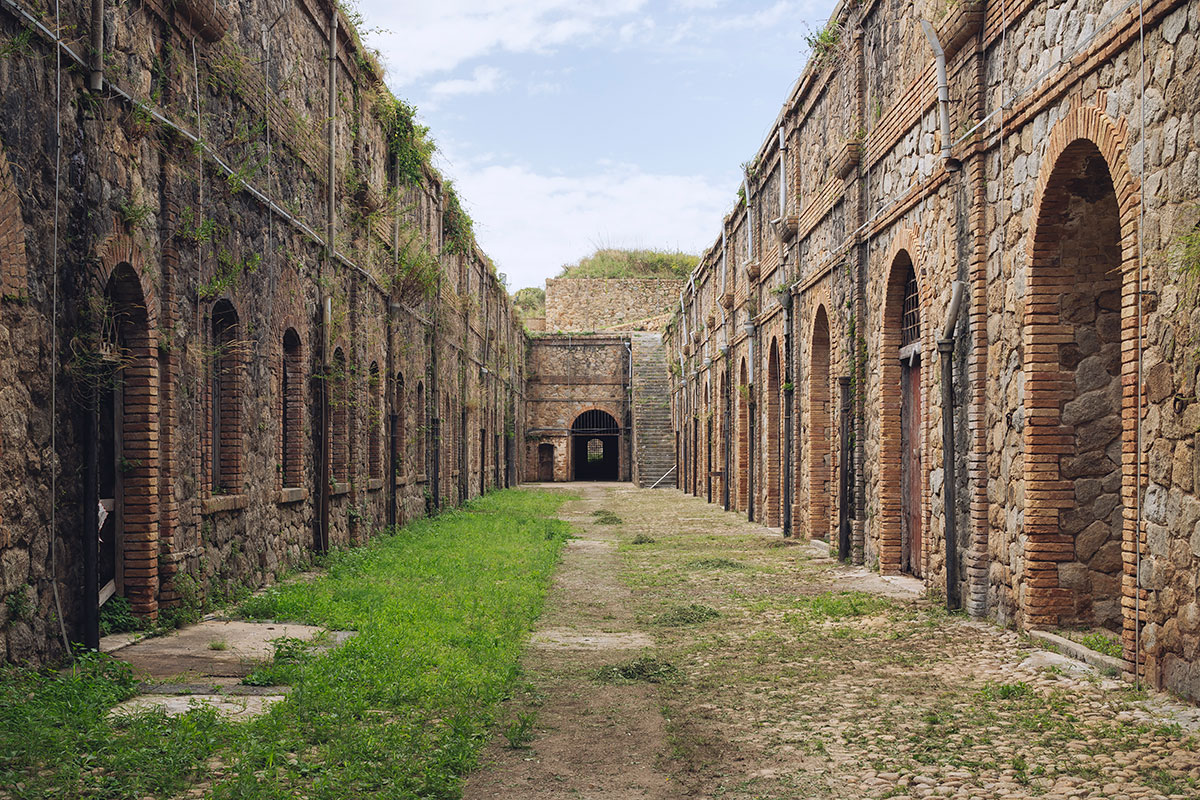
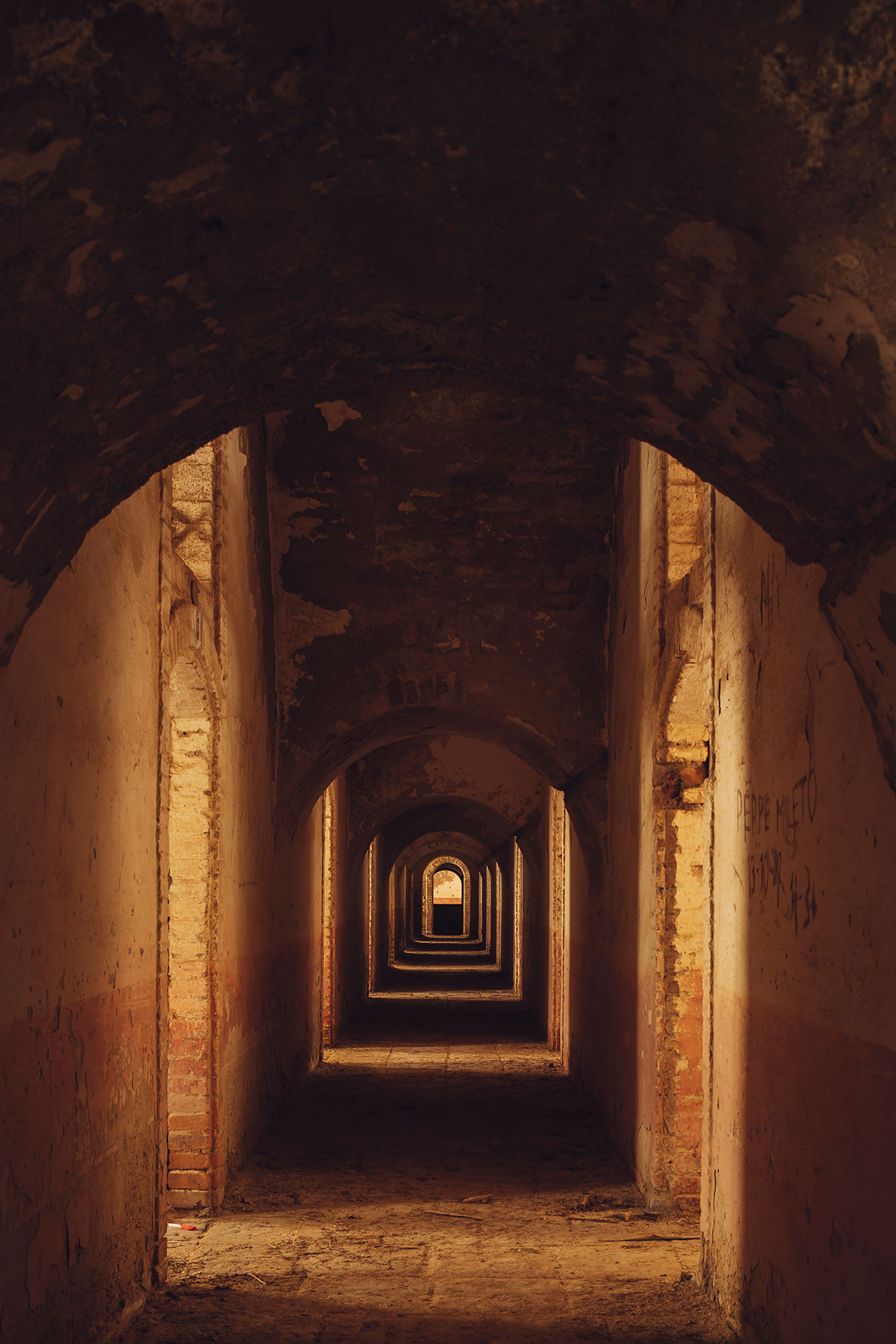
Forte Batteria Siacci
Forte Batteria Siacci in Reggio Calabria is the largest Umbertine fortification in the Strait of Messina in terms of size and architectural value. Constructed in 1888, it develops in a quadrangular plan, with the left side not aligned, a sort of rectangle trapezoid. It is characterized on the main front by a triangular figure, while a deep moat surrounds the whole building. The firing positions had to cover a range of 120° on the Strait of Messina, corresponding to the territory that goes from Villa San Giovanni to Torre Cavallo. Most of the interiors had a high level of finish, still largely legible.
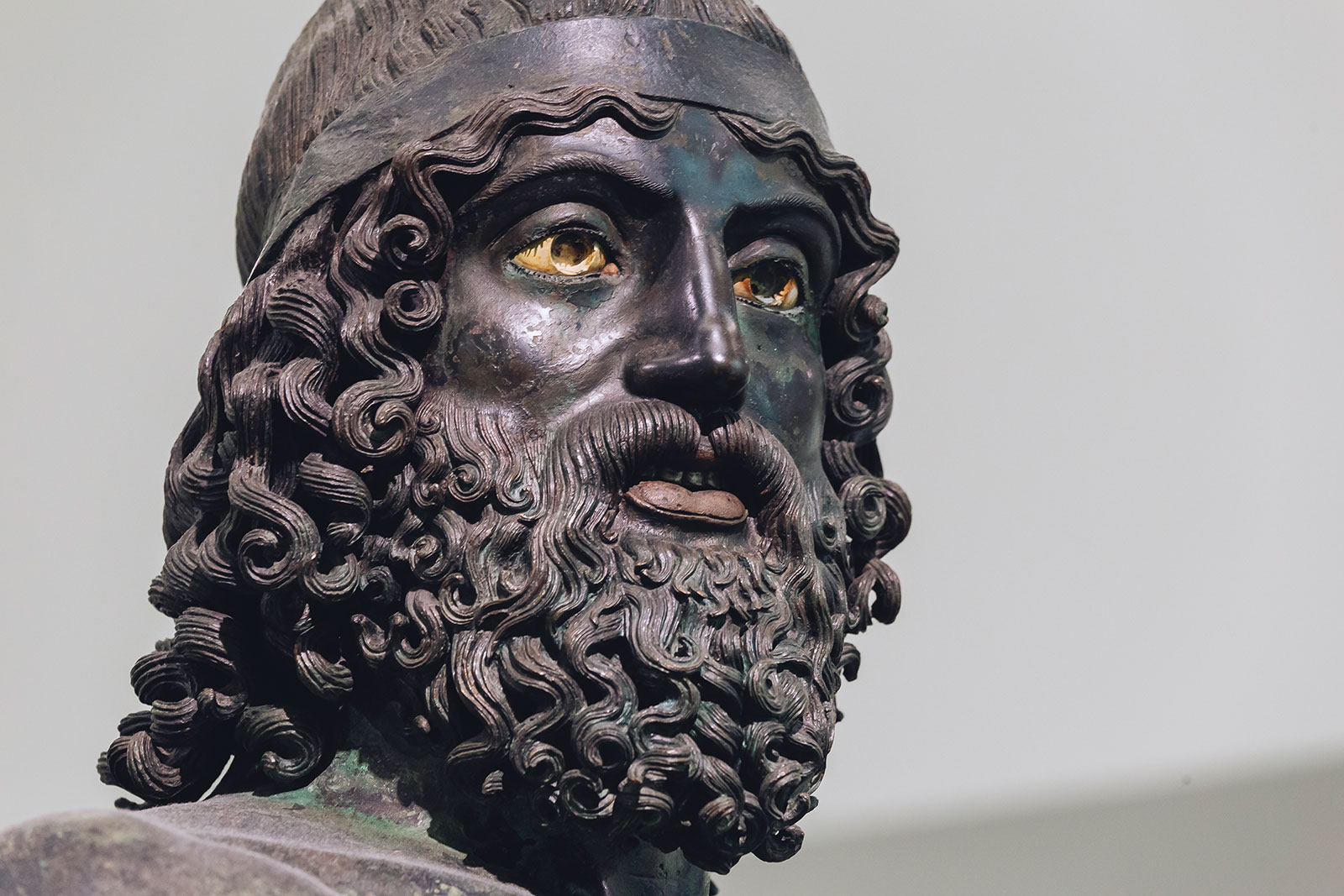
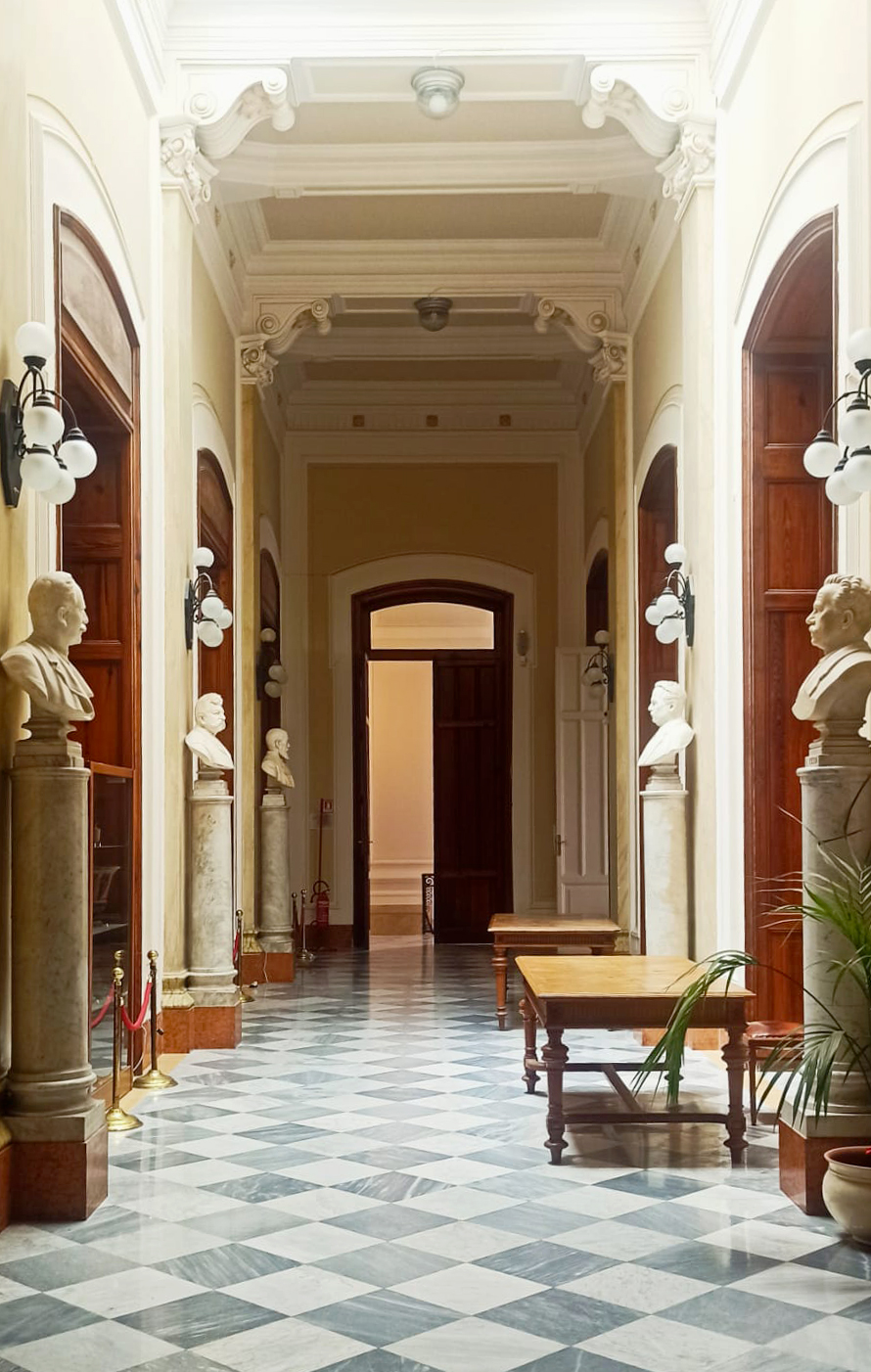
The National Archaeological Museum of Reggio Calabria
The National Archaeological Museum of Reggio Calabria, opened in 1959, has undergone major transformations over the years. In 1981, the underwater archaeology section was set up to give proper visibility to the Riace Bronzes, considered among the world’s most significant masterpieces of Greek art.
Closed for restoration in 2009, the museum was reopened to the public in 2016. The main element of the current layout is the new inner courtyard, covered by a transparent glass ceiling that naturally illuminates the atrium. The basement of Palazzo Piacentini houses two large rooms for temporary exhibitions; inside the long side corridor, there is a lapidarium. The MArRC also has an indoor archaeological area: a patch of the large Hellenistic necropolis discovered during the building’s construction.
University of Messina
The University of Messina was founded on November 16, 1548, by Ignacio de Loyola with the support of Viceroy Juan de Vega.It was the first Jesuit College in the world, the famous Primum ac Prototypum Collegium. The institution faced tensions with the local political classe and the University of Catania, which claimed exclusive rights to confer doctoral titles. Only in 1591, with a generous donation to Philip II, Messina obtained the right to award degrees. The rivalry with Catania and internal issues marked the history of the university until its closure in 1679, after the revolt against Spain. Reopened by the Bourbons in 1838, the university underwent further closures and reforms, reflecting the political upheavals of the city. The buildings of the University of Messina were rebuilt in the same area after the 1908 earthquake.
Badolato
Badolato is one of the “doubled villages” of Calabria, with the coastal nucleus that emerged after the flood in 1950s, and the ancient village perched between the sea and the mountains. Whether these places, in Calabria and elsewhere in Italy, can serve as an alternative to the city is a very theoretical point of discussion. However, the fact that their vitality depends on their enhancement as part of a regenerative cultural process is both an impetus and a responsibility for the design community. In this scenario, art as an attractor and multiplier of interest is a determing factor, as clearly expressed in the “Respiraterra” project, a sustainable artist village coordinated by architect Pasquale Piroso, which opened the two-day event outside the Biennale.
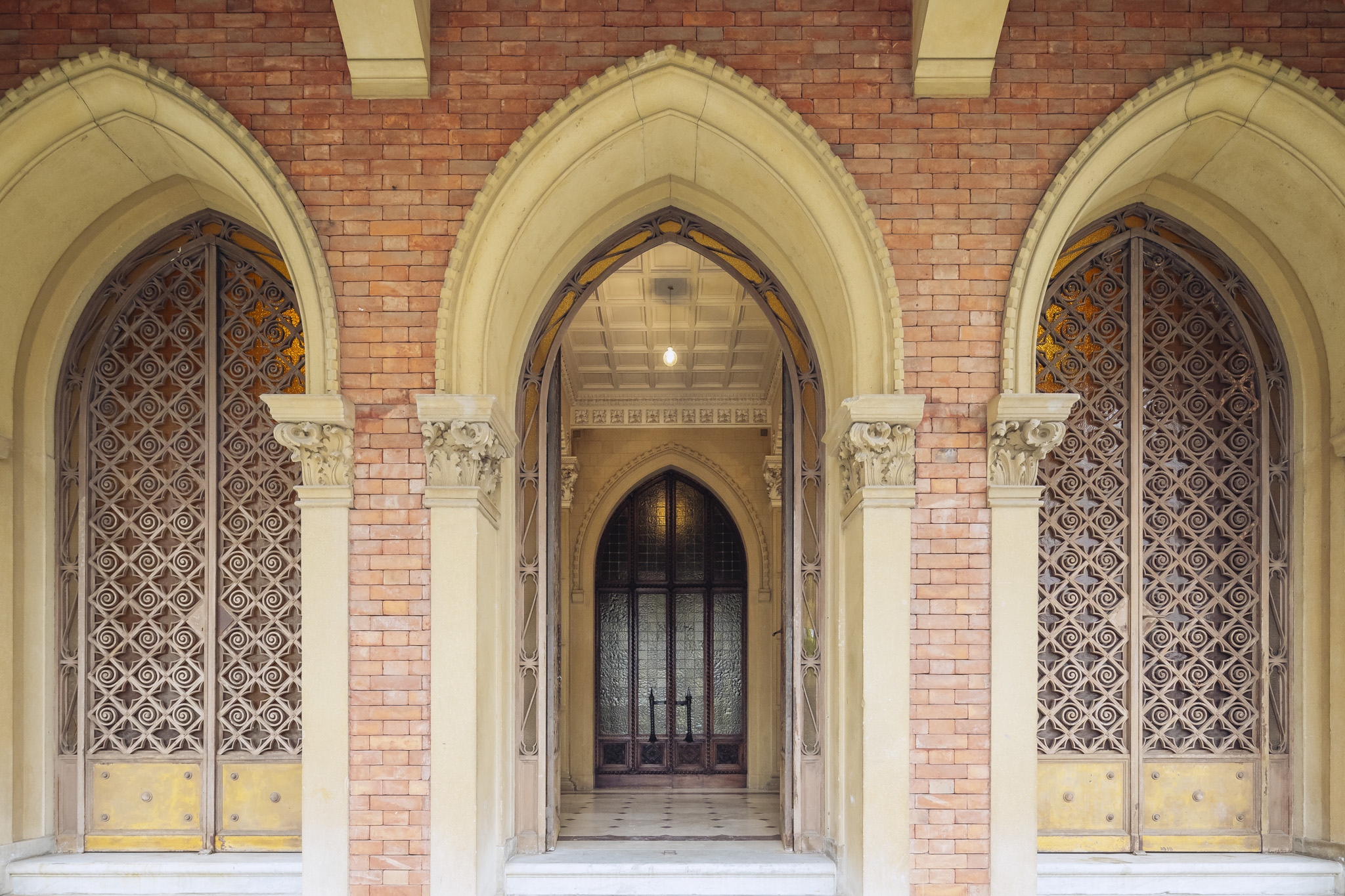
Villa Genoese Zerbi
A historic residence in neo-Gothic-Venetian style, located on the seafront of Reggio Calabria, facing the Strait of Messina. Built at the end of the 19th century and renovated in 1925 after the 1908 earthquake, the villa is characterized by elegant double windows, stone decorations, and a picturesque garden. Once the private residence of the Zerbi family, it is now the venue for cultural events, exhibitions, and artistic perfomances, and is one of the most captivating architectural symbols of the city.