


LOCATION
WHERE LA BIENNALE DELLO STRETTO WILL BE TAKING PLACE
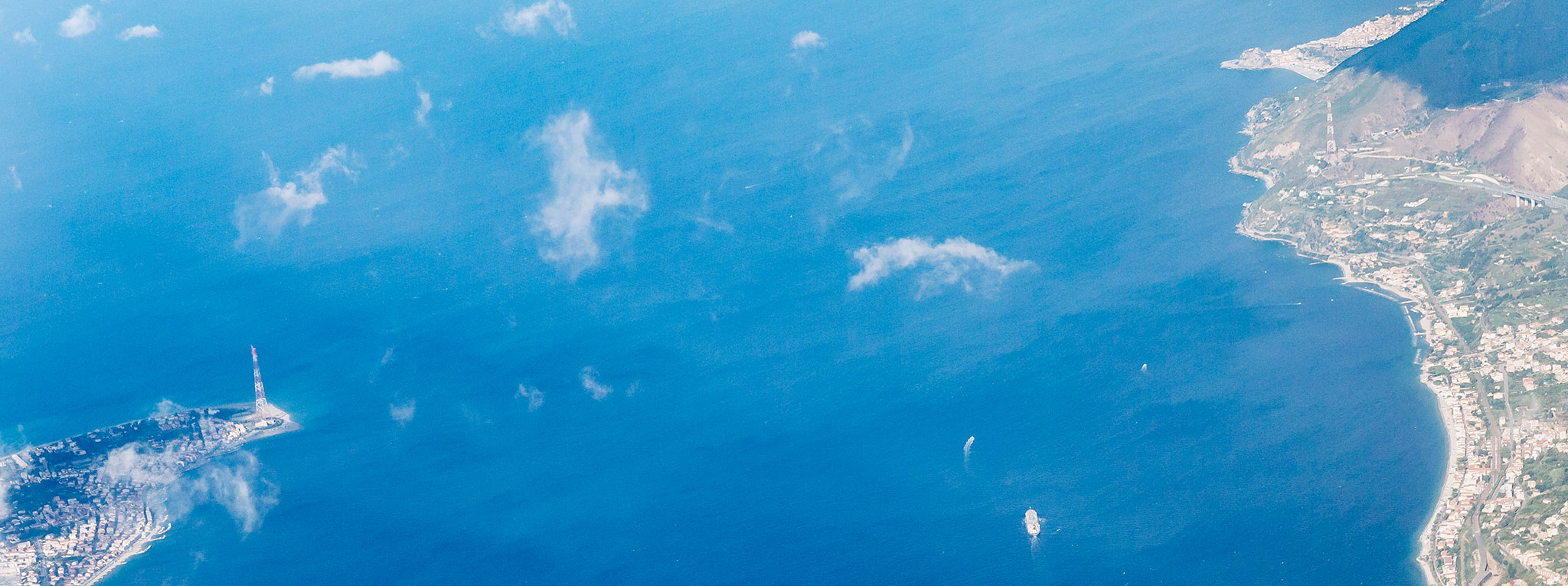
La Biennale dello Stretto will be taking place between Forte Batteria Siacci, the Archeological Museum of Reggio Calabria, the Regional Interdisciplinary Museum of Messina, and the Horcynus Orca Foundation.
Places that speak, protagonists of the invisibility they reveal, they reach out towards each other, and the eastern and western Mediterranean horizons.
Forte Batteria Siacci
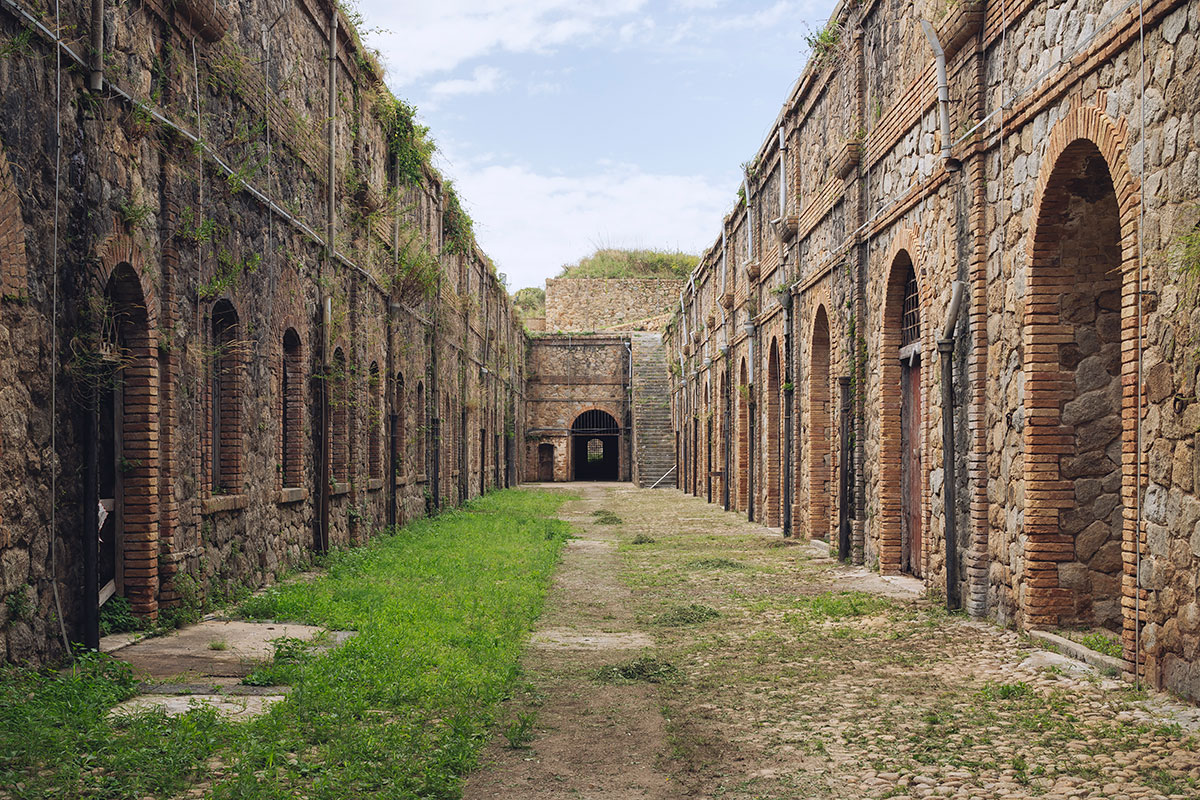
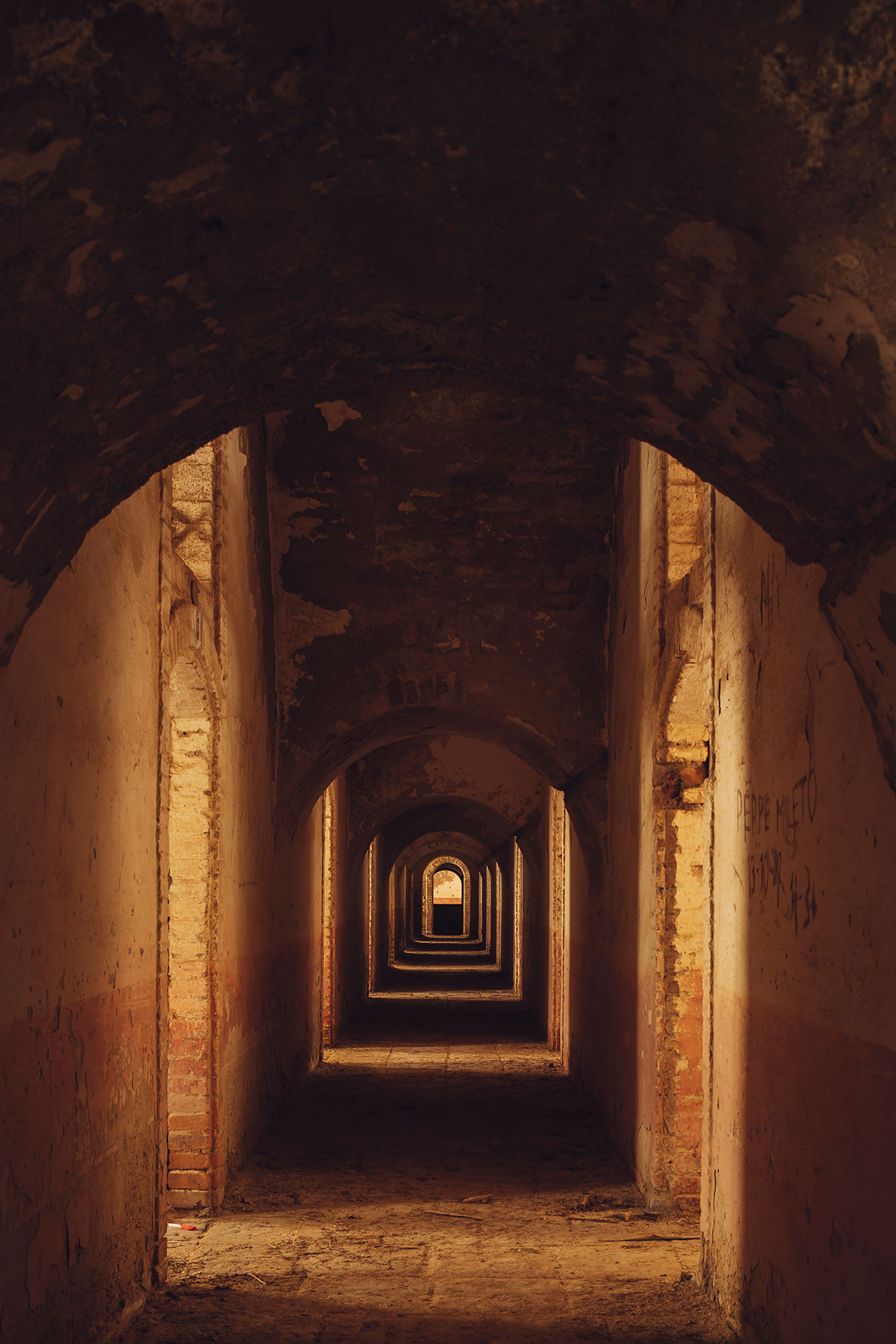
Forte Batteria Siacci in Reggio Calabria is the largest Umbertine fortification in the Strait of Messina in terms of size and architectural value. Constructed in 1888, it develops in a quadrangular plan, with the left side not aligned, a sort of rectangle trapezoid. It is characterized on the main front by a triangular figure, while a deep moat surrounds the whole building. The firing positions had to cover a range of 120° on the Strait of Messina, corresponding to the territory that goes from Villa San Giovanni to Torre Cavallo. Most of the interiors had a high level of finish, still largely legible.
Archeological Museum of Reggio Calabria
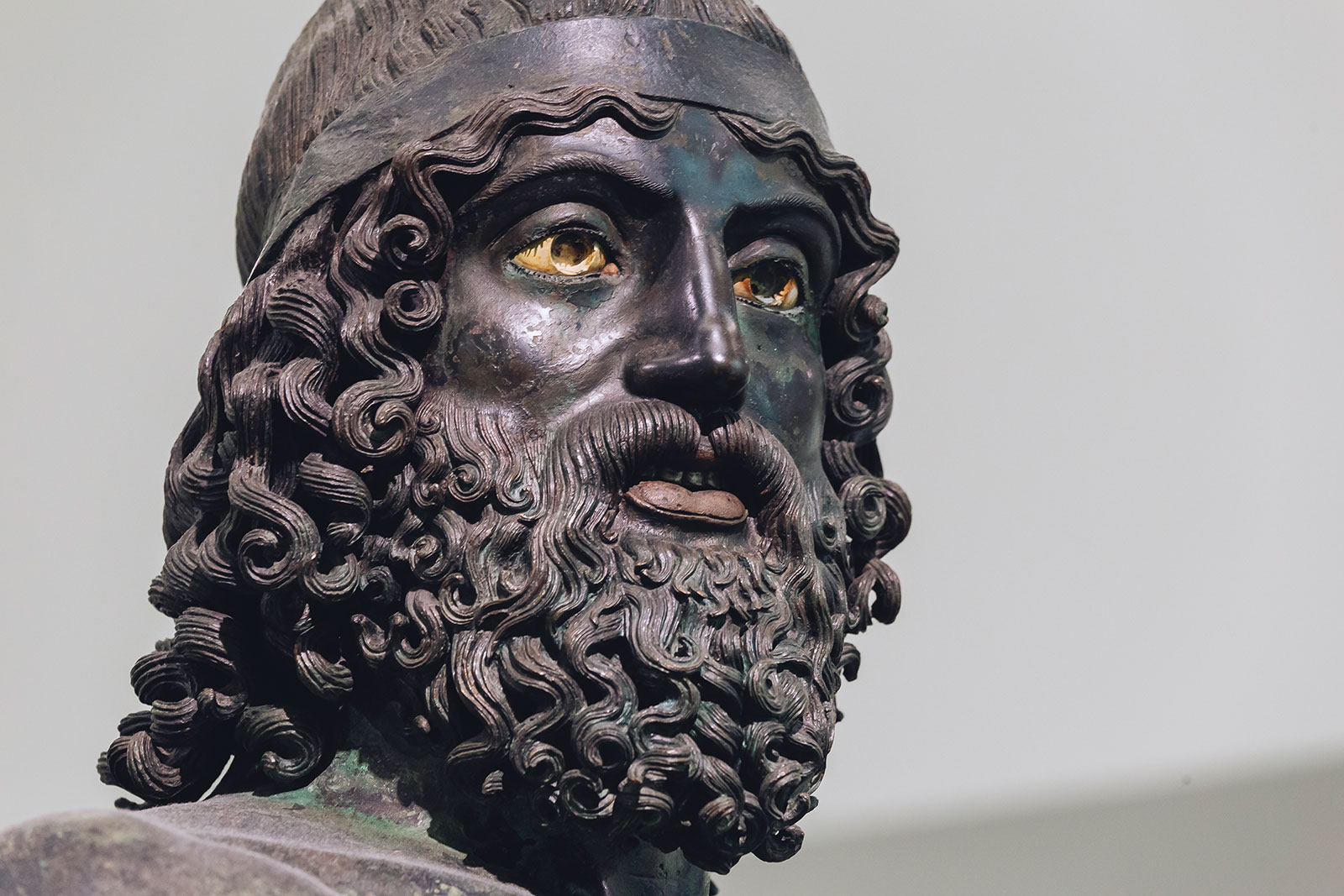
The National Archaeological Museum of Reggio Calabria, opened in 1959, has undergone major transformations over the years. In 1981, the underwater archaeology section was set up to give proper visibility to the Riace Bronzes, considered among the world’s most significant masterpieces of Greek art.
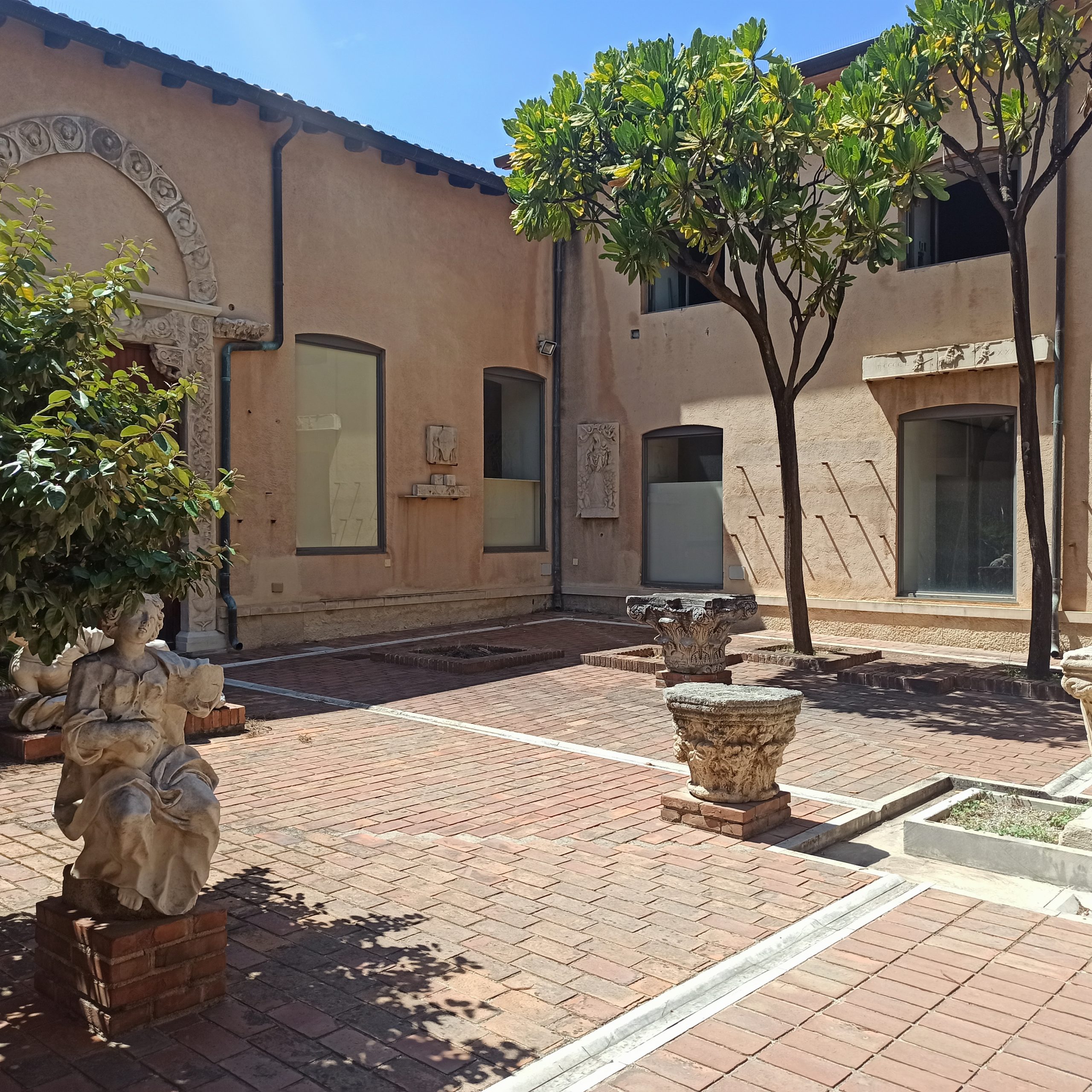
Closed for restoration in 2009, the museum was reopened to the public in 2016. The main element of the current layout is the new inner courtyard, covered by a transparent glass ceiling that naturally illuminates the atrium. The basement of Palazzo Piacentini houses two large rooms for temporary exhibitions; inside the long side corridor, there is a lapidarium. The MArRC also has an indoor archaeological area: a patch of the large Hellenistic necropolis discovered during the building’s construction.
Regional Interdisciplinary Museum of Messina
The new MuMe, Interdisciplinary Regional Museum of Messina, was inaugurated in 2017 after a long process of construction’ s project. Some important designer projects such as the one by Francesco Valenti (1914) to that of 1974-76 by Carlo Scarpa and Roberto Calandra were interrupted.
Today MuMe is the largest museum in southern Italy. In an area of 1,7000 square meters and a building of 4,160 square meters and in 1,300 square meters of the old Filanda – where temporary exhibitions and events are hosted – the cosmopolitan artistic and cultural relations of Messina are revealed. The permanent collection of paintings, sculptures and stone art and artefacts starts from the origins of the VIII century to the early twenty century, an artistic and spatial journey which includes masterpieces of Antonello da Messina, Caravaggio, Montorsoli, Gagini, Laurana, Alibrandi.
Horcynus Orca Foundation
The Horcynus Orca Foundation is a Cultural Institute, based in Messina at Capo Peloro between two seas, on the extreme tip of the seaside village of Torre Faro. It is the mythical Homeric site and mentioned in Strabo’s Geography. The Foundation’s buildings include the Fortino Torre degli Inglesi, which houses the MACHO, Horcynus Orca Museum of Contemporary Art, and the Ex Tiro a Volo building, which after its regeneration, contains offices and the convention hall. The exterior, the Garden of the Sands, is part of a project that recreated the original coastal dune, restoring plant species suited to the sandy environment; the garden contains some contemporary sculptures from the collection.
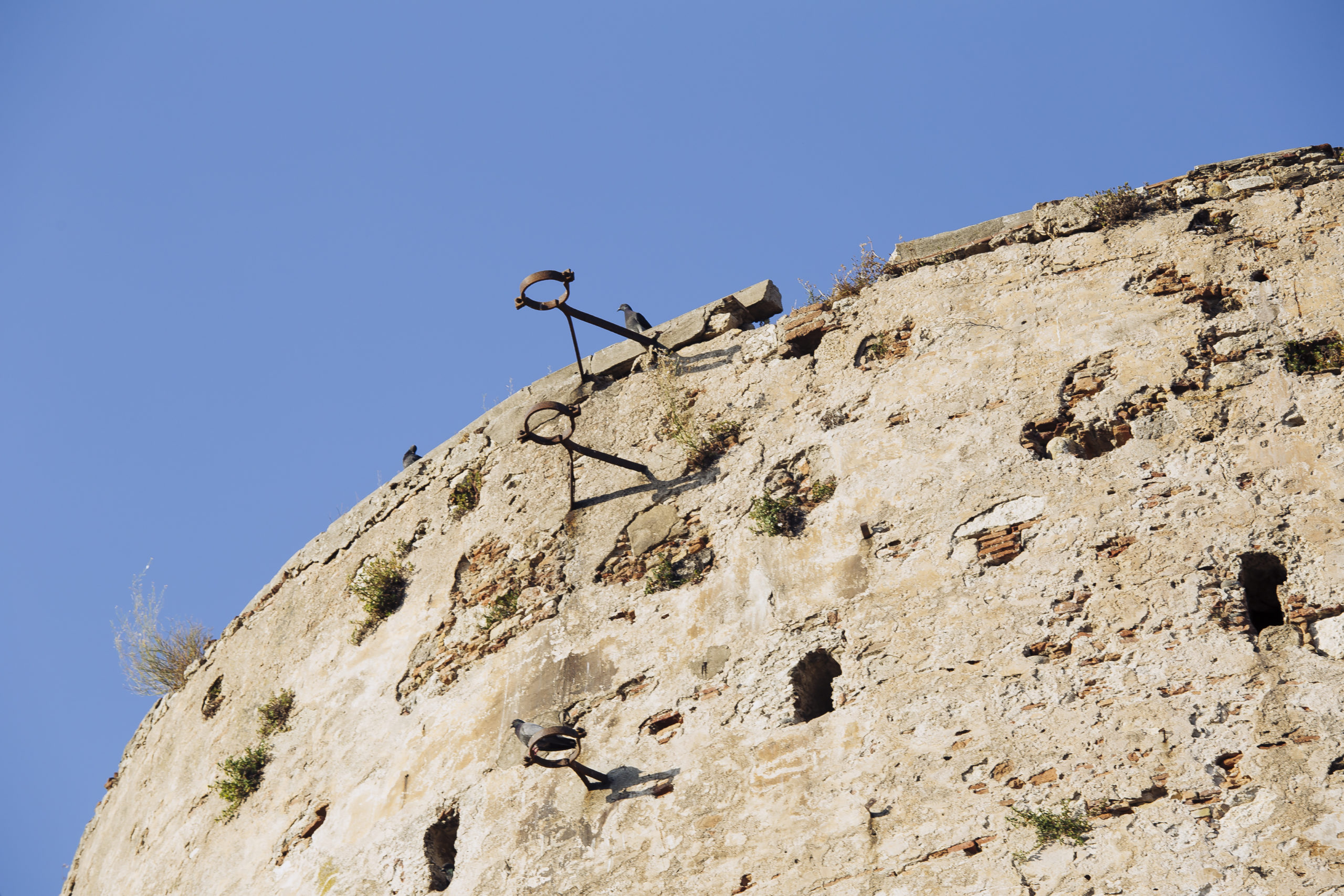
The 16th-century tower shows stratifications and structural reinforcements made over the centuries for military needs, in 1810 reinforced on three sides by the British, it then had further interventions with the expansion of the Bourbon fort, other additions were made by the Navy until after the war. During the restoration and re-functionalization works, a part of the stepped basement from the Roman period was found and made visible, probably here was the Lighthouse but also the basement of a Colossus guarding the strait depicted on an ancient coin.