


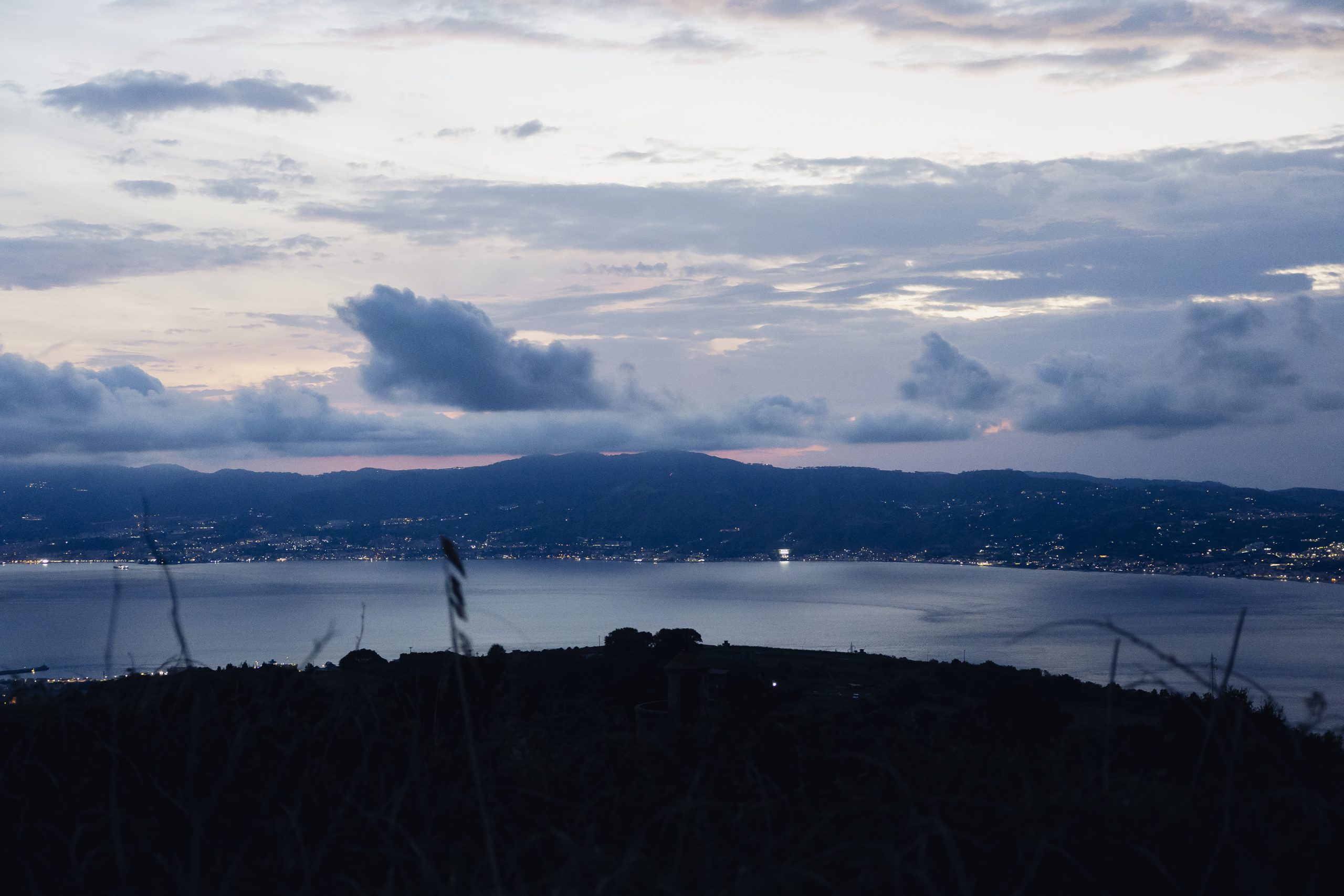
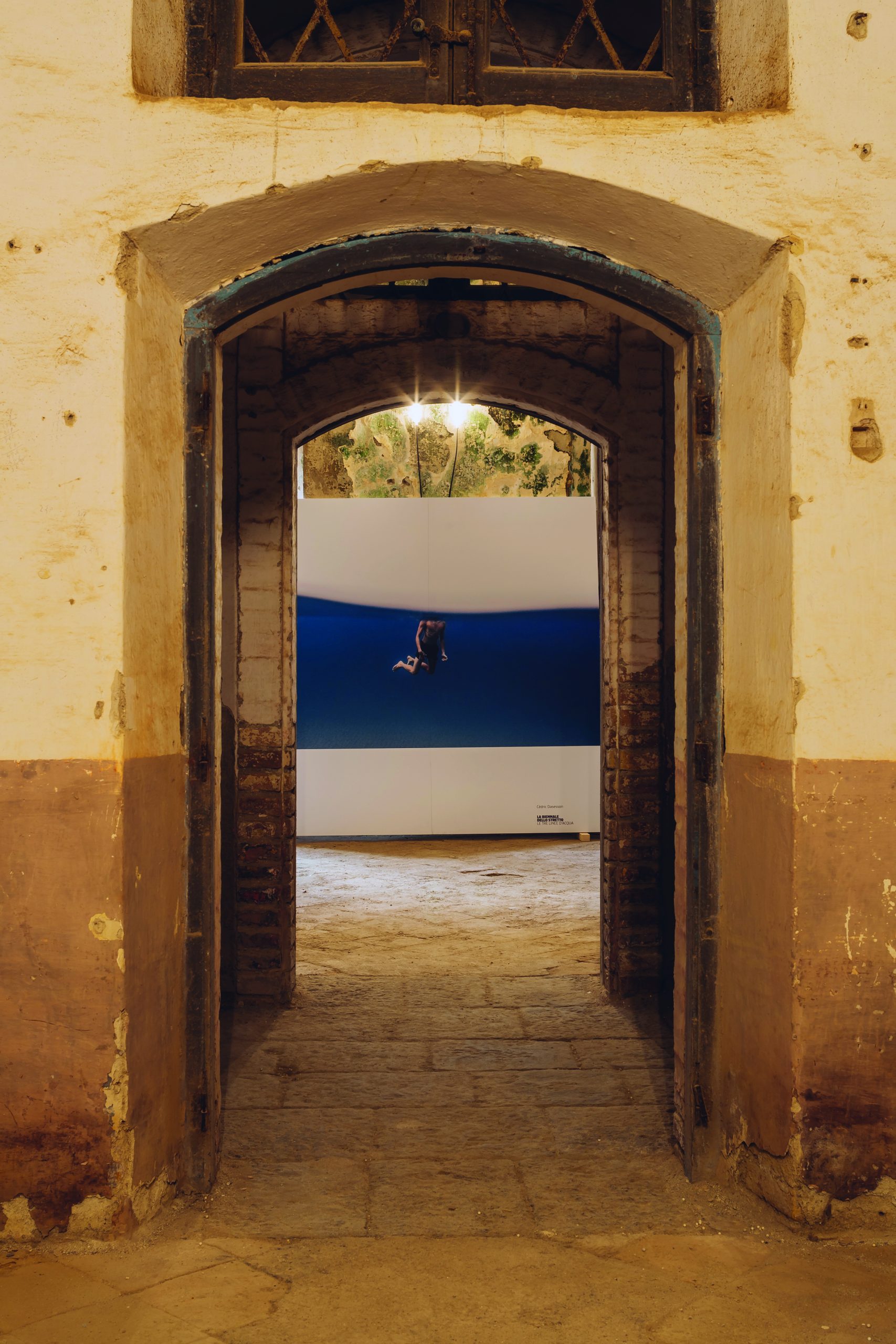
Ph. ©fotoarchitetto/RiGymnasium, ©S. Anzini
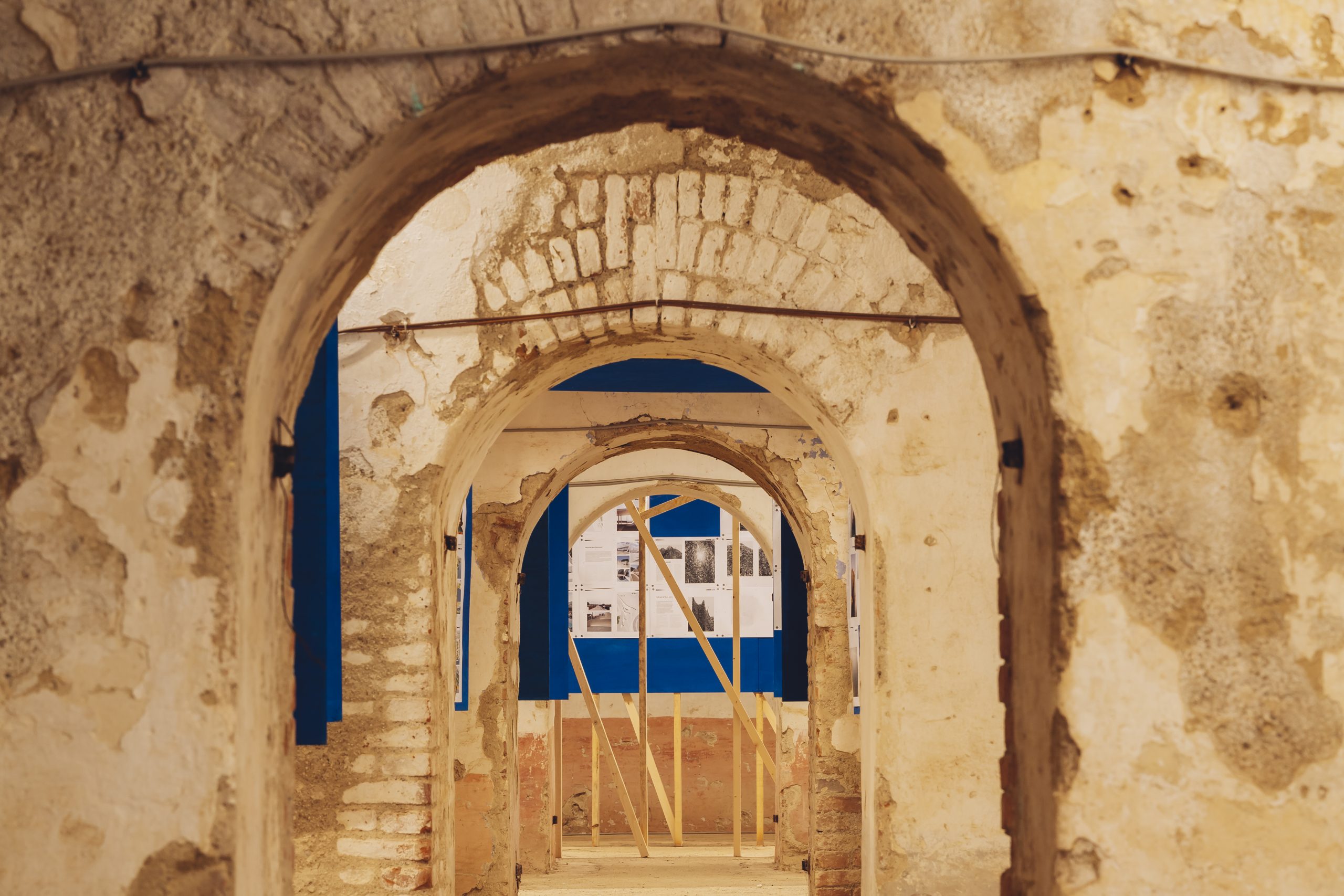
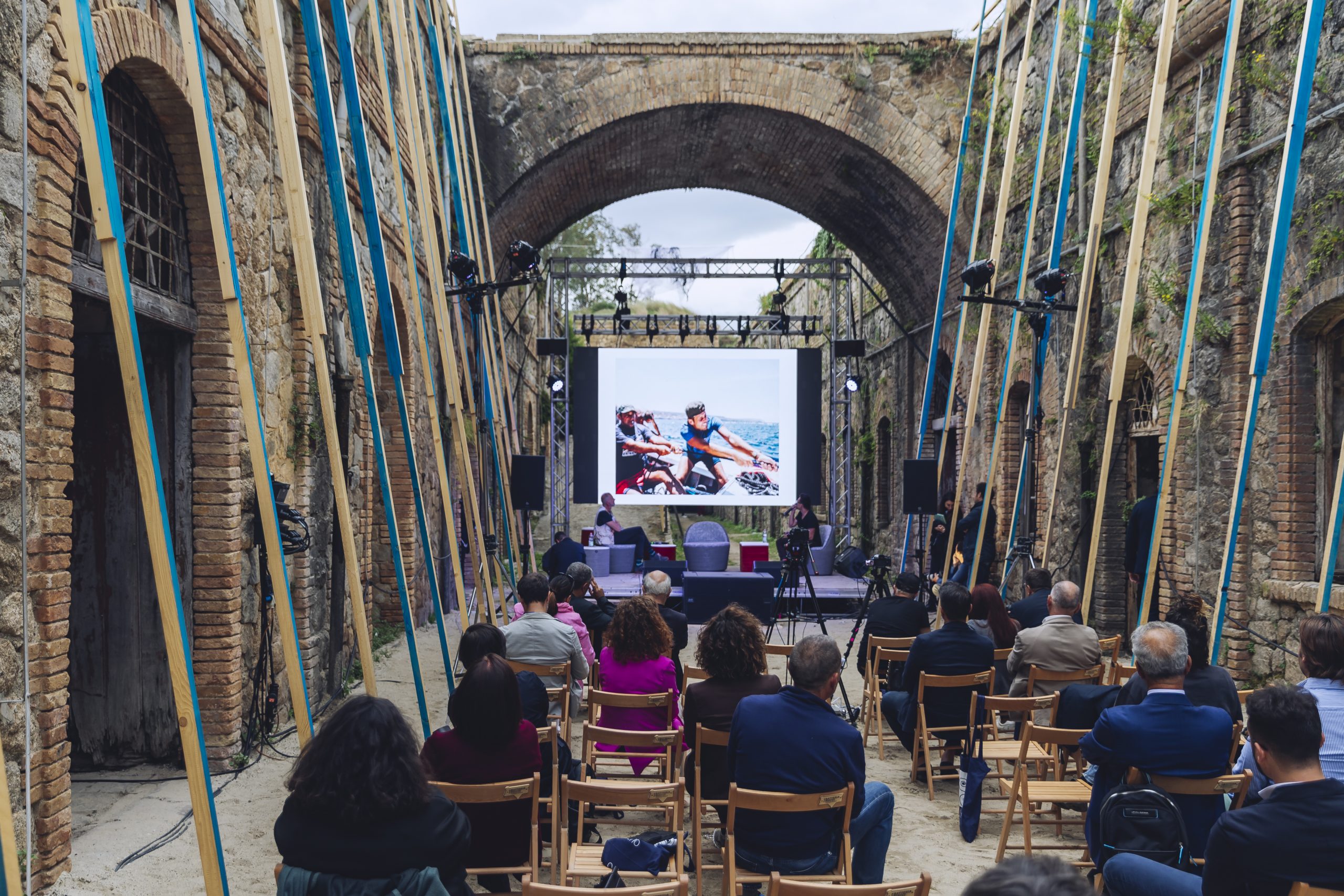

THE THIRD EDITION
The event will took place from 18 September to 13 December 2026 at Forte Batteria Siacci, in Campo Calabro.
86 days dedicating to reading design innovation through some of the most significant projects and experiences in the national and international landscape.
Alongside the exhibition of architecture, art, and photography, there will be days of talks, workshops, urban explorations, and thematic events in other cities.
We will be at the National Archaeological Museum of Reggio Calabria, among the Bronzi di Riace – silent witnnesses over the past four years; at Villa Genoese Zerbi, near what is often called the most beautiful kilometre in Italy, as Gabriele D’Annunzio described the seafront of Reggio Calabria; and in other locations.
Living, moving, going to school and being educated, sharing spaces: gli scenari della città saranno analizzati e re-immaginati da persone con formazione e competenze diverse, anche molto lontane, con l’obiettivo di ampliare la comprensione e di uscire dai perimetri noti. Per fare e farsi domande su quelle che saranno le prospettive reali per le generazioni future.
MUTATIONS
In genetics, a mutation is a permanent and random alteration in the DNA sequence. Moving beyond laboratories, we use the concept of “mutation” to describe trasformations in society, in art, and in the spaces we inhabit. We have extended this concept to cities and territories, taking as a field of research the variation in urban and territorial metabolism. Considering the city not as a static, physical body, but as a living organism, completely changes the way we design it.
“Mutations” is not only the theme chosen for the Biennale dello Stretto 2026: cut is the condition of change that continuously affects societies, with a progressive acceleration, dismantling all the references and paradigms that have governed design, the city, and people’s very way of life.
Mutations within the Cities of the Future are the resulte of the evolution of environmental conditions, climatic situations, and social behaviours.
In the context of the Biennale dello Stretto 2026, a multidisciplinary reflection is initiated on the capacity of contemporary architecture to respond to the new questions generated by mutations, with time as a key element. It is a “passage without passage” – evident, fragmented, and overloaded with information – which makes it difficult to read and to engage with over the long term.
ACTIONS ON THE MUTATIONS
- ways to address climate change
- new models of inhabiting space
- reclaiming collective space for communities and social value enhancement
- the physical and digital dimension, as a fertile ground for hybrid, interactive, and responsive environments
- Non-homogenizing factors of mutation.
