


Ph. ©fotoarchitetto/RiGymnasium, ©S. Anzini

THE SECOND EDITION
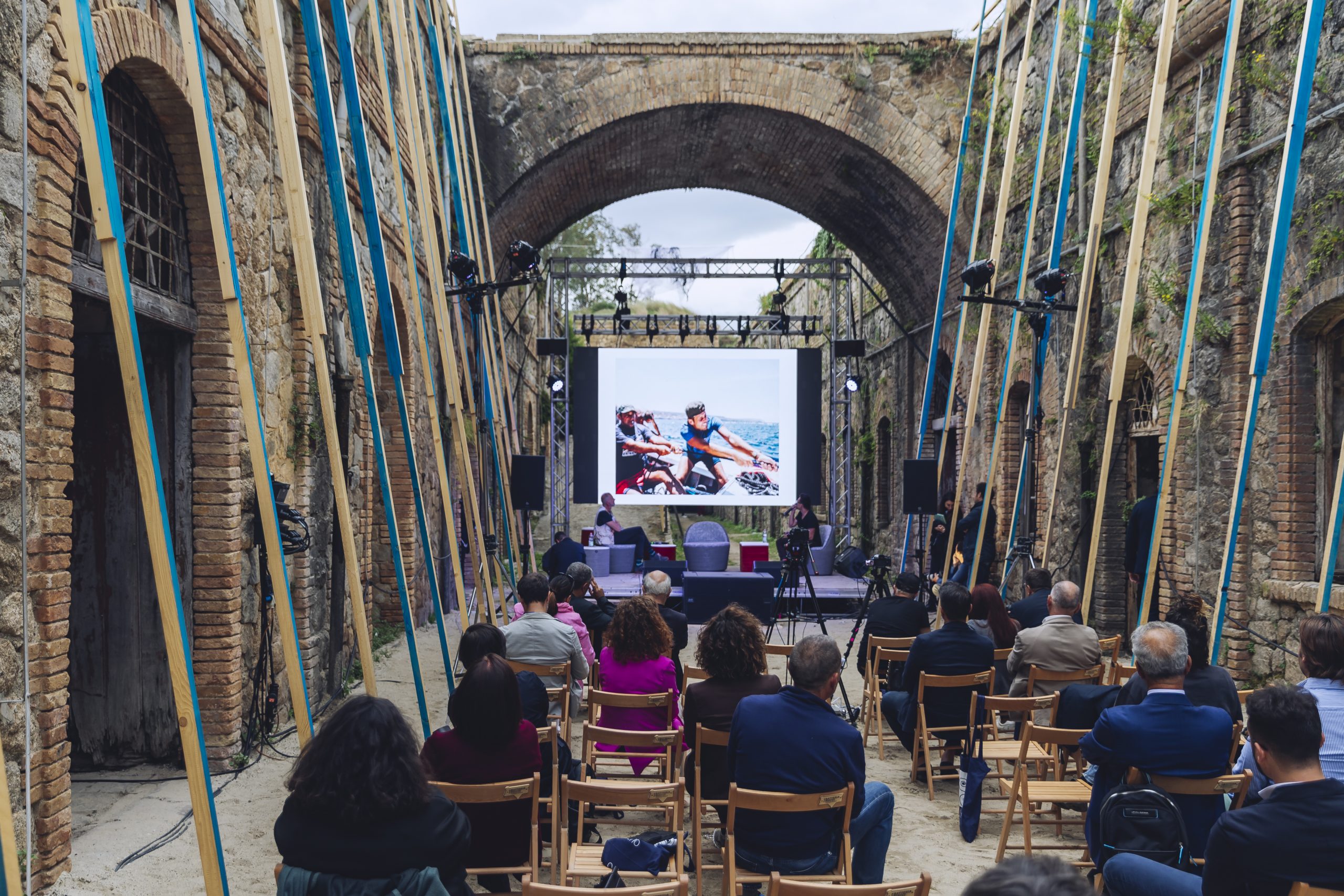
From 18 September to 14 December 2024, the second edition of the Biennale dello Stretto took place. From 18 to 22 September, 18-19 October, and 13-14 December, a programme of meetings and guests will be held, bringing together voices invited to observe and understand the Mediterranean territory. The Biennale had the strong capacity to attract attention to the Strait, with incursions both from afar and through a close, focused gaze.
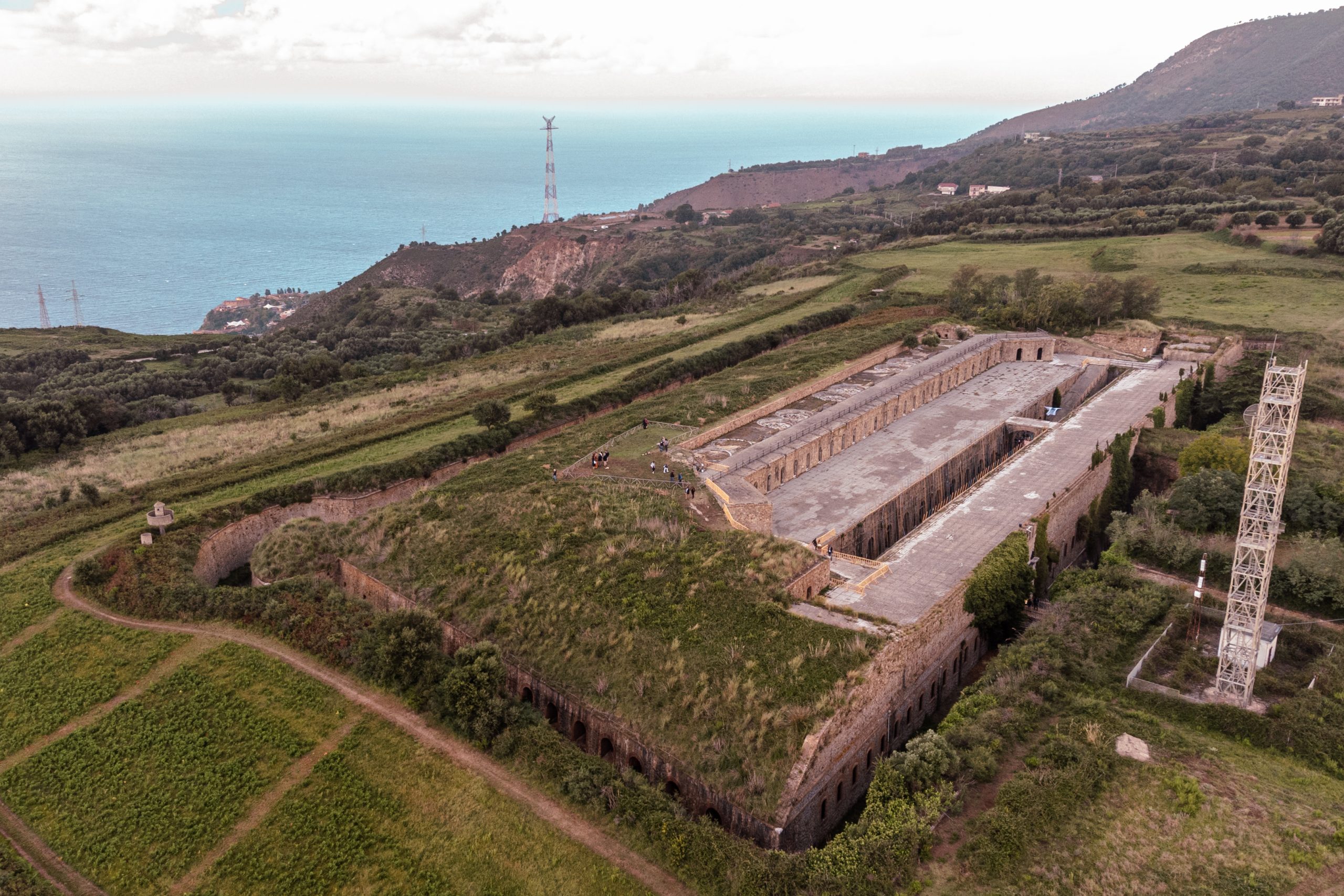
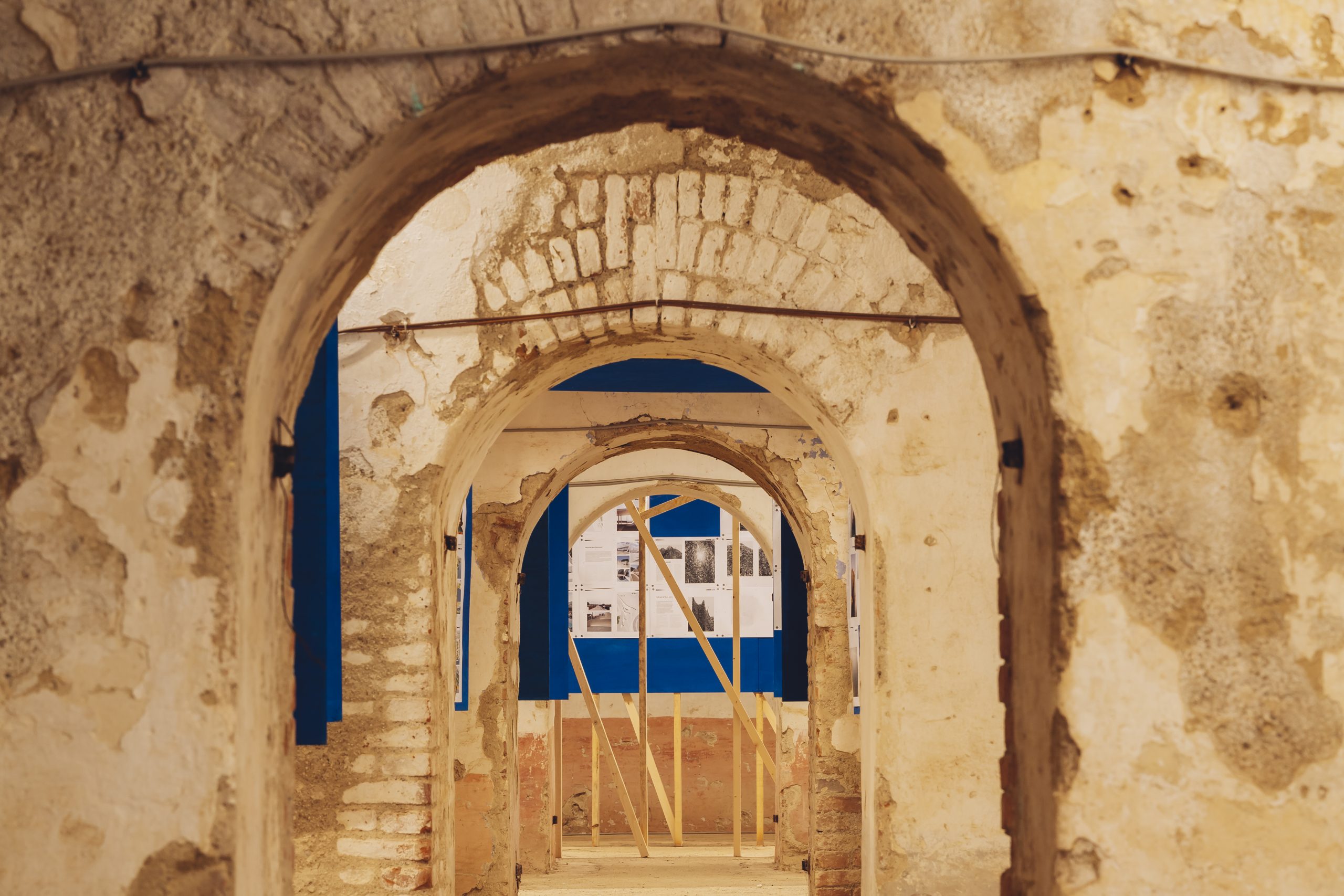
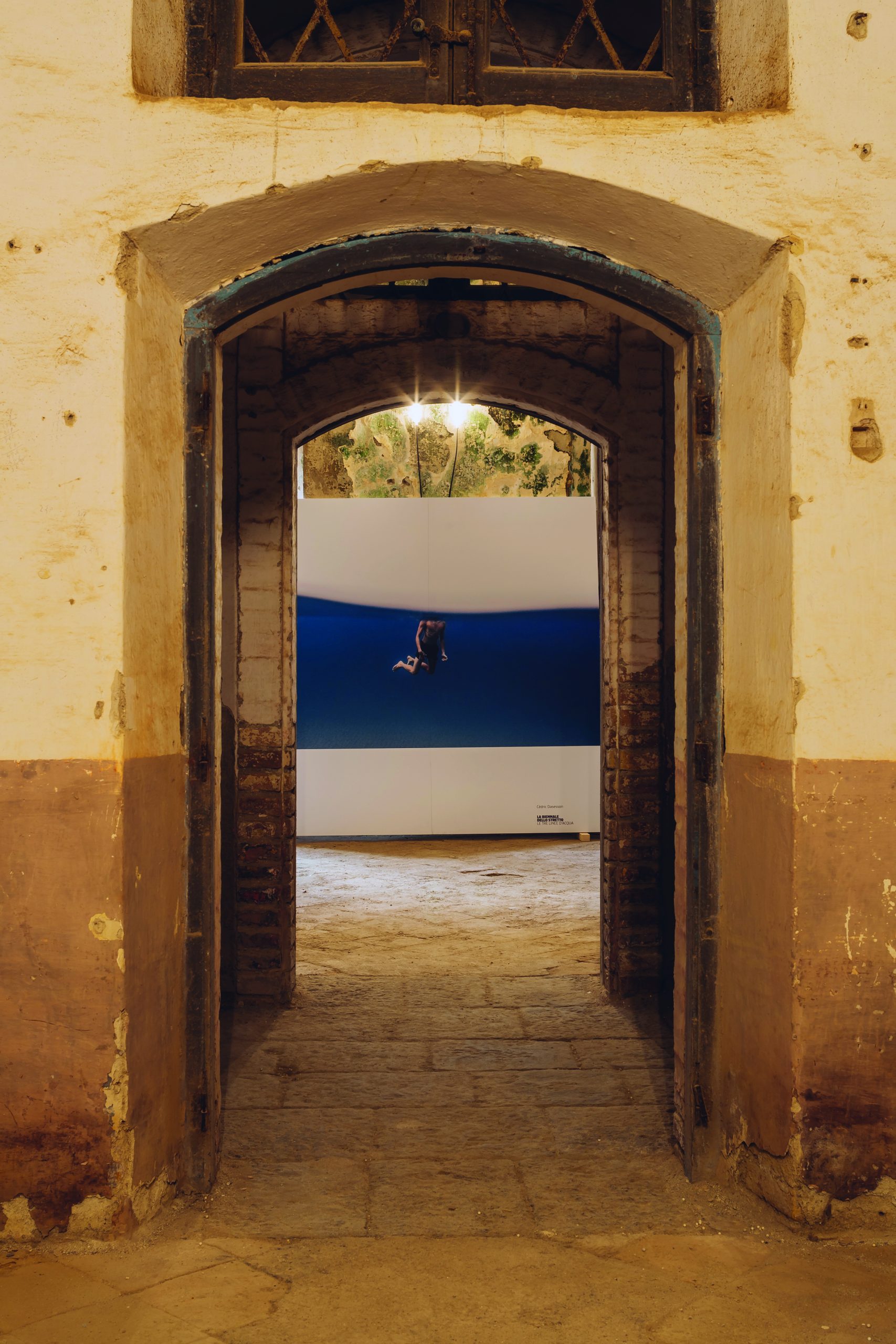
The main exhibition hub was Forte Batteria Siacci in Campo Calabro. The exhibition was divided into sessions: architectural projects, a photographic exhibition, and artistic installations.
The works were collected through a general Call to Action, an under-35 contest, and personal invitations from the curators.
The 2024 edition preserved its multidisciplinary cultural dimension, driven by architecture, while activating an even wider resonance across design, art and cinema, anthropology and writing, as well as photography, with more guests and more events.
ART INSTALLATIONS AT THE BIENNALE
The opening week of the Biennale dello Stretto (18-22 September) coincides with the European Mobility Week (16-22 September). With coordination from the Mobility session curatorial team – Federico Parolotto and Gaia Sgaramella (MIC-HUB) and in collaboration with the municipalities, tactical urban planning sessions were organized near schools, museums, and key urban hubs. This will enable active participation in the European Mobility Week, with the international visibility and impact that follows.
Circle Table
“Circle Time” is an expression that identifies an inclusive model of discussion, a mode of listening and dialogue open to learning, understanding, and identifying improvement approaches.
The symbolic object representing Circle Time is a table rich in meaning, starting from its design: conceived by Alfonso Femia with Salvatore Greco and crafted by Calabrian artisans, it is made using different wood species. These represent the heterogeneity of ideas, places, geomorphologies, and ethnicities of the Mediterranean, which come together in a single harmonious dimension – just as the Ionian and Tyrrhenian seas meet and merge in the Strait.
The table can be disassembled into its constituent parts and reassembled in the locations designated, from time to time, to host Circle time.
This choice is also a metaphor for the Mediterranean territory: 22 countries, 3 shores, profoundly different worlds, linked not by a shared identity, but by a single geographical factor.
Connections with other places in the Mediterranean, an expanded idea of the Mediterranean that extends – through cultural reverberation and cross-pollination – to territories and cities that are “non-Mediterranean”: the Circle Times will take place in various locations, with the table acting as their common thread.
The first stop, very close by, is Taurianova, designated this year as the Capital of Books.
It will be followed by L’Aquila, Agrigento, Marseille, and Nices.
Ponte di Luce
In the context of the second edition of the Biennale, will be developed an artistic event, “Ponte di Luce”, a temporary projection of linear beams of light simulating an ideal connection between Calabria and Sicily.
A conceptual, instantaneous line connected Villa San Giovanni to Messina, drawing a boundary space intended to prompt reflection on the complex and sometimes ambiguous relationship between union and separation, on the opposition between near and far, and on the polarization and tensions that shape contemporary life.
The installation is technically feasible, and the authorization process is currently underway with the administrations of the two cities. The project has been developed in collaboration with 500x100sb and the Municipality of Villa San Giovanni.
During the days of debate, three specific thematic focus areas will be developed, involving international participants.
- WATER CITIES / PORT CITIES
Environmental and geopolitical: urban water always plays a strategic role, within a progression of climate emergencies, international competition, and economic growth. Architectural design as a key driver of transformation. - DESIGN CULTURE / THE ROLE OF THE ARCHITECT
The role of the architect in intercepting needs and understanding evolving scenarios. Professional associations in dialogue. - ARCHITECTURE SCHOOLS / THE FUTURE OF EDUCATION
The search for new educational paradigms in light of the profound changes trasforming architectural design. The adequacy of academic pathways and the necessary dialogue between education, research, and professional practice.
