


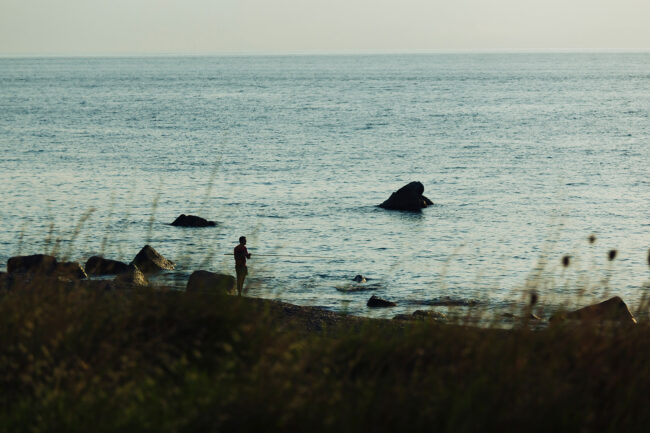
THE DESIRE FOR CULTURE, NOT JUST SEA AND NOT JUST TOURISM. THE LOCAL POPULATION AS THE KEY TO REVITALIZING THE TERRITORY. EVERYTHING THE SOUTH CAN OFFER with Caterina Limardo
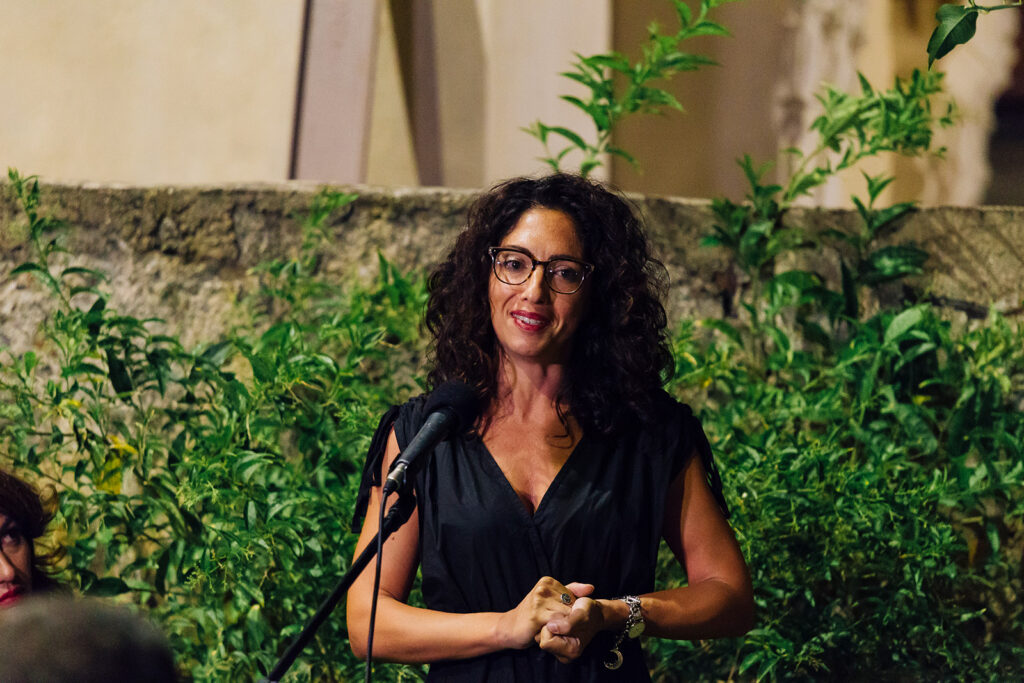
Caterina Limardo is one of the driving forces behind Zabut International Animated Short-film Festival, an international animated short film festival that, over the course of just a few editions, has become an important point of reference for professionals, enthustiasts, and general audiences alike. Caterina speaks about a Sicily where beauty reveals itself through film culture, people’s participation, and the places themselves.
The South and beauty: a widely pairing, just like the South and the sea, or the South and food. Therefore, by syllogism, the beauty of Southern Italy could become the driving force behind its revival.
It sounds simple, but labels can be dangerous.
And they are dangerous for the local population. Sea, food, landscape… the charm of this “touristic beauty” certainly does not lose its visual appeal when visitors fade away and the beach season ends, but what disappears is the energy and intensity of the people who truly bring these places to life.
Those of us who live in the South in November just as we do in August often feel trapped in a cul-de-sac: we consume all our possibilities at the entrance of summer, only to find ourselves, season after season, facing the same wall. We turn back and begin again. Even beneath the sun and in front of the magnificent Sicilian sea, one can experience alienation. In the South, the same opportunities for life that exist in Milan or any other Italian city can–and must–emerge.
The opportunities are there; it is a matter of searching for them with care and determination. They are not always immediately visible. And yes…it is harder work.
The Zabut project is a work in progress born from the shared interests and passion of a group of friends. But it is much more than that. It is connected to the desire to be present as individuals and as people deeply tied to their places, with the dual ambition of personal growth and the growth of the territory itself. Because if a place, a town, becomes beautiful for those who live there all year round, it will become even more attractive to tourists. This is kind of a beauty that does not live off scenic landscapes, architecture, or monuments alone, but off personal commitment, culture, and innovation in content.
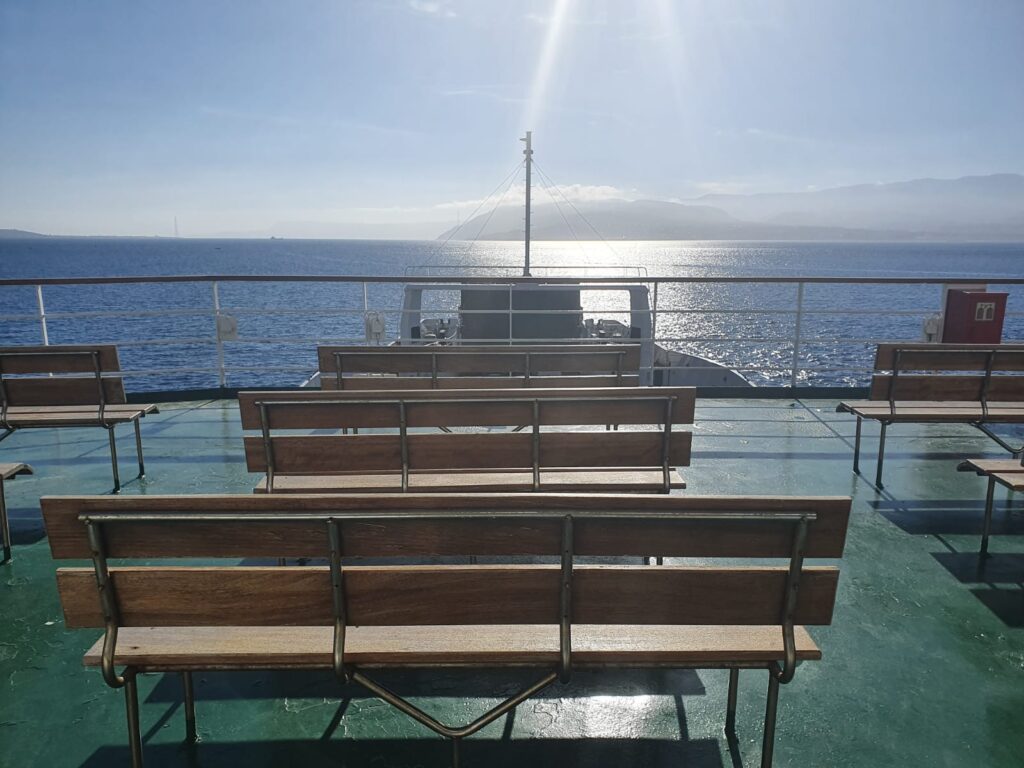
Zabut was founded in 2016 in the historic center of Savoca, one of “The Most Beautiful Villages in Italy”. In 2019, the festival moved to the municipality of Santa Teresa di Riva, which was held the “Blue Flag” designation since 2017. Above all, Zabut is an event that, during the days of the festival, creates a connection between a place and a community, between people and locations, becoming a space for cultural participation with a fascinating and welcoming atmosphere.
On the Ionian coast, we are constantly searching for new inspiration, and Zabut is the result of our desire to create and take action.
Today, the project is ready for a further leap in quality that would allow it to stand alongside the most important international festivals, although the difficulties caused by the pandemic throughout 2020 have made this path more complicated.
In that unusual August marked by a temporary respite from coronavirus, yet also by an anxious uncertainty about the future, 150 people attended the screenings each evening of the festival. This number cannot compare with attendance in previous years (450 per evening in 2019), but it demonstrates even more convincingly the public’s desire to listen, their curiosity, and their longing for beauty – in our case, through cinema.
The short films – 450 in total – arrived from 62 different countries, a sign that, in an era when distances are shrinking, international reach is already, to some extent, an achieved goal.
We are ambitious about growing further: first throughout neighboring territories, then across Italy, and eventually throughout Europe and the world. It is an ambition we can fulfil, beginning with the willingness of the local population to participate.
The festival is supported by the Municipality of Santa Teresa di Riva, by a group of private sponsors, and is patronized, among others, by the University of Catania, the University of Messina, and the Academy of Fine Arts of Palermo.
Beyond the many challenges we face – one above all being that access to most public funding calls requires advance payment of expenses, in addition to the paralysis caused by the spread of COVID-19 – we still have many ideas.
We would like Zabut to grow while remaining deeply connected to Sicily and without losing its identity, and we hope to attract institutional interest at a national level.
We are aware that bringing people to Santa Teresa di Riva is more difficult. But then again, bringing people to Taormina was – and still is – difficult as well.
We would like to overcome this “territorial limit” and be able to invite guests and jurors from outside Italy. At present, this limitation is due not only to inadequate infrastructure, but above all to the difficulty of securing greater financial resources.
We would also like to fight, through Zabut, against that stereotypical idea of Sicily still associated with the mafia and organized crime. In some ways, we ourselves still indulge in our past, even in its negative historical memory: in the souvenir shops of Savoca, for example – the village where several scenes from The Godfather were filmed – shops sell gun-shaped mugs as souvenirs…
Sicily has, for the most part, freed itself from that reality, but I do not believe that other Italian regions, including those in the North, are untouched by infiltration from the ‘Ndrangheta and the mafia.
The theme of the mafia has become a kind of folklore that feeds itself through the approval of mass tourism. Yet this carries a negative weight, limiting and undermining trust in these territories. As a result, those who come from elsewhere continue to judge these places through the filter of mafia-related memories and stereotypes.
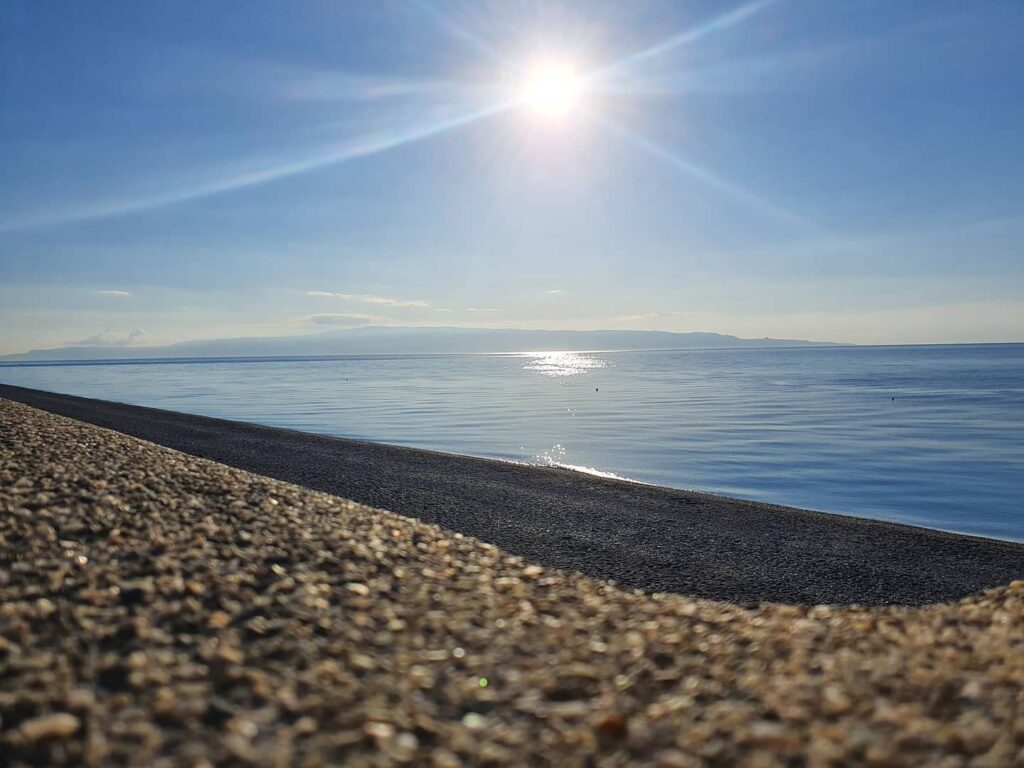
What is the way to free the South from the South itself?
First of all, by distancing ourselves from stereotypes.
And then by becoming aware that our place of life is slower than that of Nourthern Italy. This is not necessarily a negative thing. But we must not lose ourselves in it or leave things unfinished. Otherwise, we will never truly move beyond the “South”.
The opening photo is by Stefano Anzini.