


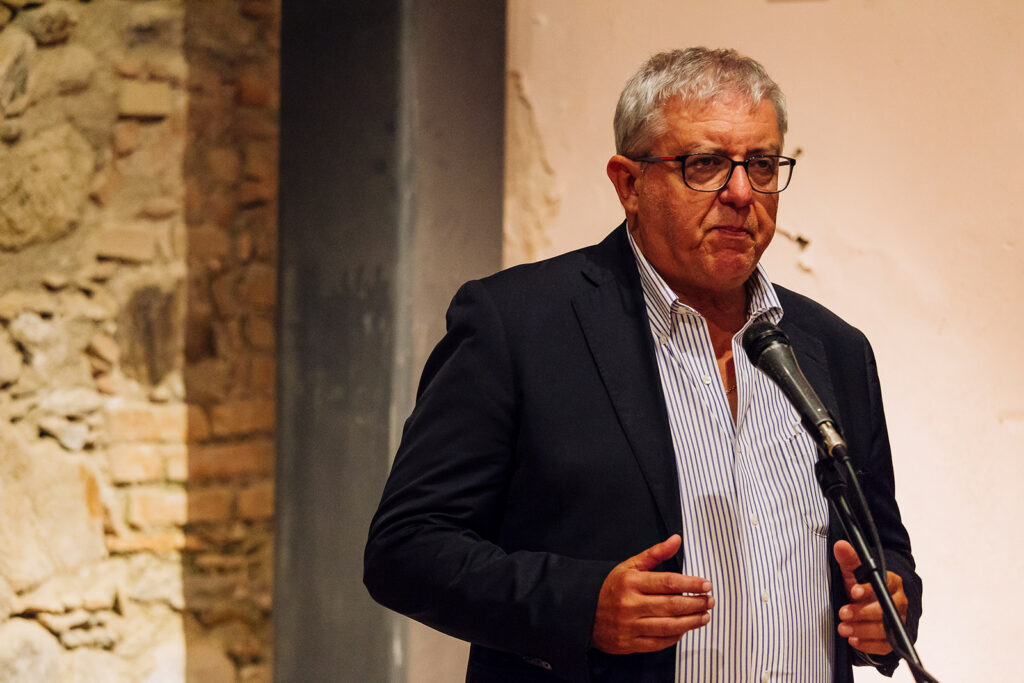
Pietro Briguglio, the mayor of Nizza di Sicilia, speaks about a Sicily that wants to go beyond its borders – both physically and by building bridges between the memory of the past, the “outside” world, and the future.
Sicily is not mafia and crime. If that remains, in the background, a persistent perception shaped by an outdated reading of the territory, it is equally true that today the reality is completely different. An example? Savoca is the village of the 17 mummies, one of the most beautiful villages in Italy. It dates back to 1134, but it became famous in 1972 because Francis Ford Coppola, the director of The Godfather, shot some scenes of the film there.
And this is not the only perceptual distortion weighing on and slowing down the island’s development.
For example, Sicily is not only Taormina, nor is just seasonal seaside tourism.
And history and culture are not found only in Palermo and Noto.
Sicily is a land that goes beyond the distances and physical limits of being an island.
Of course, there are real limitations, but they have become so worn down over time that they have almost lost their intensity and urgency: the lack of internal infrastructure, the exodus of the younger population, the bridge that was never built, and the patchy spread of the digital network.
There are also other, less visible limits, yet equally restrictive: from a “human” perspective, we are not sufficiently equipped in terms of professional skills and capabilities to move with agility through a highly complex bureaucratic landscape – both at the regional and national level and, above all, in accessing and making use of the economic opportunities offered by Europe. Developing projects, reporting results, and meeting deadlines all require an organic and well-structured operational approach in terms of procedures.
How important is tourism for the revival of this part of Sicily?
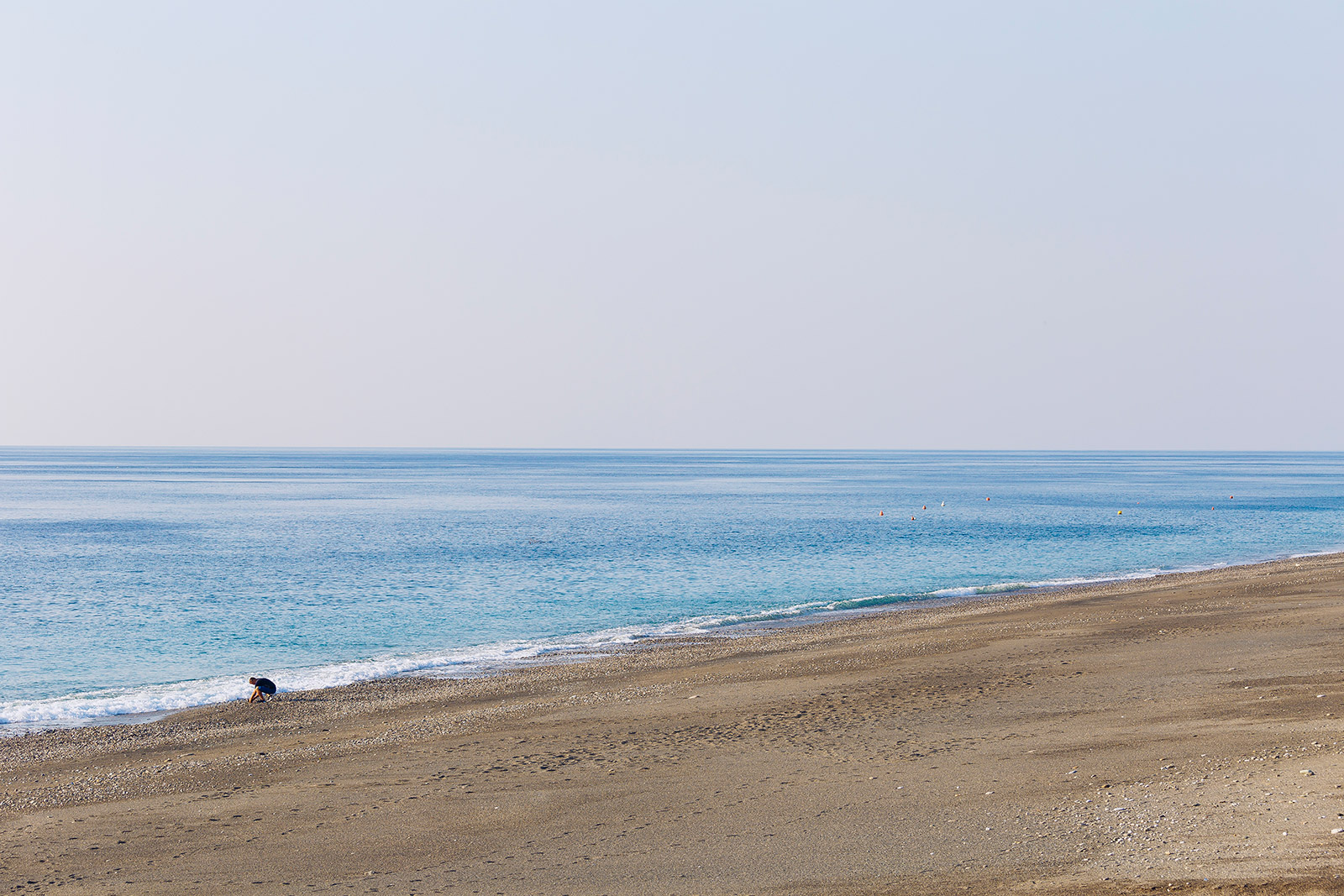
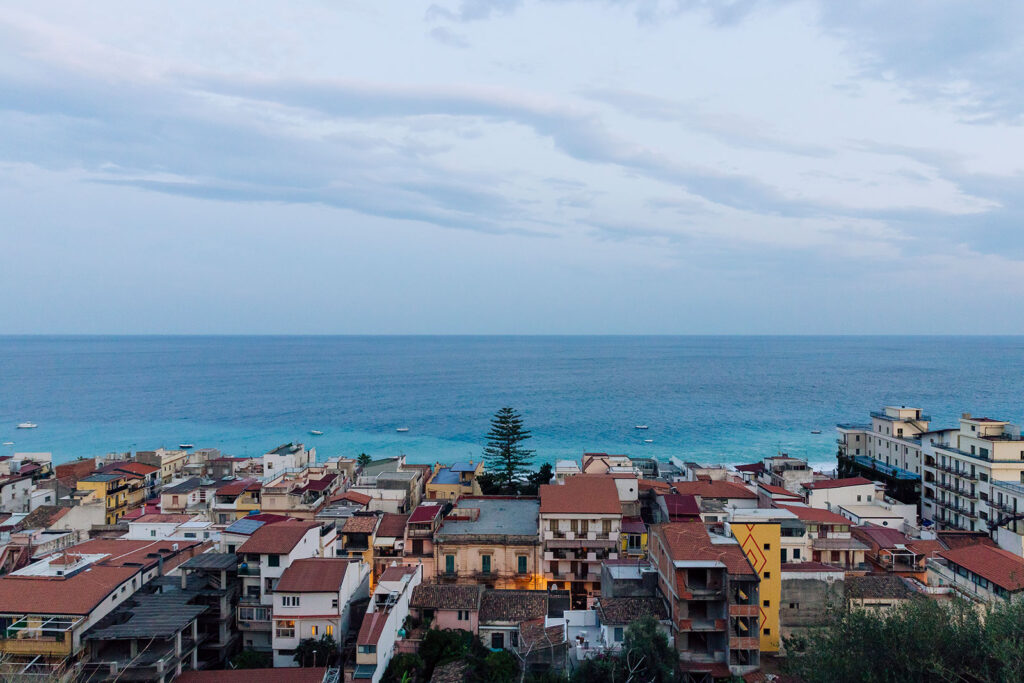
The strenght of seaside tourism also represents, to some extent, a limitation: we neglect the inland’s landscape and cultural treasures. Even the coastline outside the reference hub of Taormina is an underused heritage asset with enormous potential to make tourism less seasonal. An example closely connected to my own territory is the Nisi Valley, on the Ionian side of Messina, made up of small seaside towns and ancient hilltop villages. The valley has prehistoric origins and developed around one of the most important mountains in the Peloritani Mountains range, Monte Scuderi. The direct contact between sea and mountain makes these places fascinating and intense, and it is from here that the “Ring of the Nisi” was born, including Alì Terme, Alì, Fiumedinisi, and Nizza di Sicilia.
A great work that cannot be enjoyed by the community, locked away in a private room, represents an unjust way of relating art to society. Much of Sicily is an extraordinary work of art that remains undervalued and largely unknown.
The spread of culture – and the tourism that can grow from it – is the true instrument for revitalizing the territory.
Un’affermazione forte e autonoma in A strong and independent affirmation in this direction would generate the interest of central government and accelerate the construction of infrastructure. It could trigger a virtuous cycle capable of breaking down all these barriers.
Culture begins with an intense program of education and training that creates a sense of belonging to the territory, reverses the processe of youth migration, and generates jobs for culture, through culture.
Mental barriers can only be dismantled through culture. For Sicily, this is therefore a fundamental issue. What will redeem our land from distorted perceptions is the commitment of a younger generation encouraged – through education and culture – to believe in and invest in Sicily.
Borders and limitations must be transformed into horizons, aspiring to new models that constantly encourage the search for visions without boundaries.
Sicily can be imagined as a kind of beneficial, energizing, healing IV drip – a slow – release infusion of culture, history, and traditions to be administrated to the whole of Italy.
In Egypt and in other countries that have marked the course of human evolution, excavations continue endlessly, even after the essential has already been revealed.
We, too, have an immense cultural heritage to uncover and share, yet there is little interest in “digging” into our land. Not investigating our history means remaining one step behind.
Returning to the town of Savoca, Francis Ford Coppola’s choice and the success of The Godfather acted as a sounding board for the entire area. Today, the power of the internet spreads awareness of territories, curiosity, and the desire to visit them – and this, too, can work in combination with the development of the island’s internal physical infrastructure.
We are also moving forward on this front. Last September, the Government Commissioner and the CEO of Rete Ferroviaria Italiana, Maurizio Gentile, signed the approval of the final project for the doubling of the railway tracks between Giampilieri and Fiumefreddo di Sicilia, for an investment of €2.3 billion, already fully funded. The ordinance marks another decisive step forward in the realization of the Messina-Catania-Palermo railway axis, coming just days after the conclusion of the service conference held last August. With the approval now granted, the publication of tenders for the two functional sections – Fiumefreddo di Sicilia–Taormina/Letojanni and Taormina/Letojanni–Catania – can proceed in the coming weeks. The project completes the doubling of the railway line between Messina and Catania and includes the construction of 42 kilometers of which will run underground. This will increase the line’s capacity for both passenger and freight traffic and reduce travel times between Messina and Catania by approximately 30 minutes, enabling the development of a metropolitan-style rail service from Catania to Taormina/Letojanni.
Is the Bridge across the Strait of Messina a decisive factor within this framework of development?
The bridge is a primary infrastructure project, connecting Sicily to the mainland, both for the transport of goods and for the movement of people. The benefits would be undeniable, even though, after postponing its construction for nearly a century, the urban complexity of the departure and arrival areas has grown enormously. Today, compensation measures are necessary to address the disruption that the project would inevitably bring.
Beyond the debates, reflections, and the technological, institutional, economic, and environmental issues involved, the only indisputable reality is that building this bridge is both urgent and appropriate: it is not only in the interest of Sicily and Calabria, but of the whole Italy.
The opening photo is by Stefano Anzini.